
Navigating Southbound Voyages to South America: Port Selection, Voyage Scheduling and Key Customs Clearance Considerations 南下南美怎么跑:选港、船期与清关细节解析
Operational challenges on South America-bound shipping routes rarely stem from trans-oceanic navigation itself. Instead, most difficulties arise from arrangements made before and after port calls. Port selection, available water draft, anchorage waiting times and documentation compliance can all have a material impact on overall operational efficiency.
Conditions differ greatly between South America’s east and west coasts, with distinct port drafts, seasonal weather patterns and customs-documentation requirements across regions.
做南美航线,难点通常不在跨洋航行本身,而在靠港前后的各种细节安排。选哪个港口、吃水够不够、锚地要不要排队、单证能不能一次过关,都会直接影响整条航线的运营效率。这片大陆东西海岸差异明显,港口吃水、季节天气与单证规则各不相同。
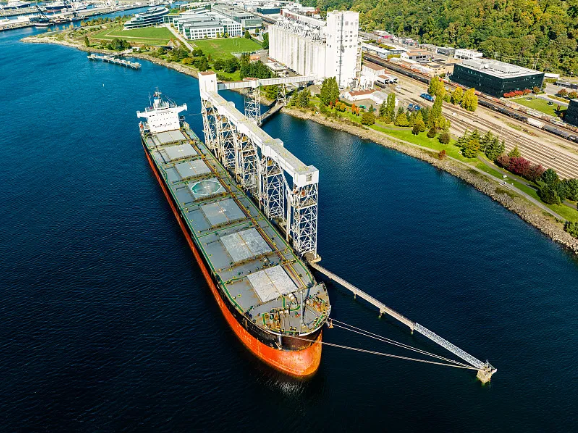
South American Ports Vary Widely— Check Each Port Individually
Stretching for more than 25,000 kilometers, South America’s coastline features different major trade corridors for its east and west coasts, resulting in varied port conditions and routing arrangements.
- The East Coast mainly trades with Europe and Asia via the Cape of Good Hope.
- The West Coast relies heavily on transit through the Panama Canal.
For vessels departing from China:
- East-coast routes generally sail via Singapore and the Cape of Good Hope towards Santos, with a total transit time of 38-45
- West-coast routes go through the Panama Canal towards Callao or San Antonio, taking roughly 28-35
China ranks as the largest trading partner for Brazil, Chile and Peru. Nevertheless, ports across these countries demonstrate uneven levels of modernization. Even for voyages serving South America, major cargo types, port infrastructure and regulatory requirements vary significantly between nations.
Many cargo-origin zones in South America depend on inland waterway transport. Navigation conditions along some river ports and waterways fluctuate substantially with seasonal changes. For shipowners, smooth execution of South-America voyages largely hinges on three core factors:
1.Draft restrictions — whether vessels can physically enter port waters
2.Seasonal weather — whether cargo operations can proceed after arrival
3.Documentation and customs clearance — whether cargo can be released smoothly after berthing
Most other operational procedures are designed as contingency arrangements built around these three considerations. While ongoing Chinese-capital investment is improving local port infrastructure over the long run, such investment cannot resolve near-term port congestion.
南美各港差异大,需分港对待
南美海岸线超过25,000公里,东西海岸的主要贸易通道不同,港口条件和航线安排也有明显差异:东海岸面向欧洲与亚洲(经好望角),西海岸依赖巴拿马运河。
从亚洲出发,东岸航线多经新加坡、好望角至桑托斯港(Santos),全程约 38-45 天;西岸经巴拿马运河至卡亚俄港(Callao)或圣安东尼奥港(San Antonio),约 28-35 天。中国已是巴西、智利、秘鲁的最大贸易伙伴,但各国港口现代化程度分化明显,同样是南美航线,不同国家的主力货种、港口条件和监管要求都存在明显差异。
南美不少货源地依赖内河运输体系,部分河港和航道条件会随着季节变化出现明显波动,对船东而言,一条南美航线能否跑顺,往往取决于三件事:
吃水限制(能不能进得去);
季节天气(进去了能不能靠得上);
单证与清关(靠上了能不能顺利放货)。
其余操作细节,多围绕这三点做冗余安排。此外,中国资本正在持续投资当地港口基建,长期看是利好,短期不改变拥堵现实。
Port Selection: Prioritize Draft for Bulk Cargo and On-board Crane Capacity for General Cargo
When selecting ports, shipowners should first cross-check fairway draft limits against the technical specifications of their vessels.
Considerations for Dry-bulk Shipowners
Two shallow-draft waterways require close attention:
Port of Buenos Aires: Its fairway depth is only 10.36 meters. Under certain water-level conditions, fully-loaded Panamax-size vessels may need to carry out lightering or ship-to-ship transfer operations at the Recalada Anchorage. This procedure costs approximately USD 3-5 per tonne, and can add 3-5 days to total voyage time.
Port of Guayaquil: The Guayas River fairway has a maximum depth of just 9.0 metres, representing one of the shallowest fairways among major South-American ports. Vessels carrying over-dimensioned cargo need to revise stowage plans and conduct lightening before entering port.
Apart from port-specific draft constraints, river water levels deserve careful monitoring. The grain-export port cluster along the Paraná River in Argentina (including Rosario and San Lorenzo) is highly dependent on inland-waterway navigability. During low-water seasons, vessels may be prevented from departing at full load. Operators may need to lighten cargo for outer-sea topping-up or reduce total loading volumes accordingly. Scheduling and freight calculations should therefore build in sufficient contingency buffers.
Considerations for General-cargo and Project-cargo Shipowners
For general and project cargo, the focus shifts to berth lifting and handling infrastructure:
- Callao: Maximum draft of 14.0 Favourable draft conditions for steel products, machinery and fish meal.
- Santos: Maximum draft of 13.5 Well-equipped terminals, a primary hub for steel, machinery and project cargo.
- Cartagena: Maximum draft of 13.5 Relatively modern terminal facilities; handles coffee, cement and project cargo.
Conversely, several ports rely heavily on vessel-mounted cranes for most berths:
- Valparaíso (12.5 m draft)
- Guayaquil (9.0 m draft)
Additional port-specific cargo profiles:
- Paranaguá (13.5 m):Main cargoes include timber, steel and fertiliz
- Itajaí (11.0 m):Specializes in timber, wood-based goods and reefer cargo.
- Montevideo (11.0 m):Functions mainly as a transit hub for wool, leather and timber.
- Buenos Aires (10.36 m):Constrained by fairway depth. Operators handling large-scale project cargo are advised to finalize loading plans and transhipment arrangements well in advance.
选港:散货看吃水,件杂货看船吊
选港的第一步,是核对航道吃水与自身船型。
干散货船东需重点留意两条浅水线:
布宜诺斯艾利斯港(Buenos Aires)航道仅10.36米,满载巴拿马型船(Panamax)在部分水位条件下可能需要在雷卡达(Recalada)锚地进行减载或过驳作业,每吨成本约3-5美元,并额外增加3-5天船期;
瓜亚基尔港(Guayaquil)瓜亚斯河航道仅9.0米,是南美主要港口中最浅的航道之一,装货前须重新核算配载,重大件须减载进港。
除港口吃水外,河道水位同样值得关注。阿根廷巴拉那河(Paraná River)沿线的罗萨里奥(Rosario)、圣洛伦索(San Lorenzo)等粮食出口港群长期依赖河道通航条件。枯水期水位下降时,船舶往往无法满载离港,需要减载后前往外海补装或直接降低装货量,船期和运费测算均需预留余量。
件杂货与项目货船东则要看泊位吊装条件。
卡亚俄港(Callao)最大吃水14.0米,是南美吃水条件较好的港口之一,适合钢材、机械、鱼粉等货类;
桑托斯港(Santos)最大吃水13.5米,码头设备充足,是钢铁、机械、项目货的主力港;
卡塔赫纳港(Cartagena)最大吃水13.5米,设备较新,可承运咖啡、水泥与项目货。
相比之下,瓦尔帕莱索港(Valparaíso,12.5米)、瓜亚基尔港(Guayaquil,9.0米)多数泊位需船吊作业;
巴拉那瓜港(Paranaguá,13.5米)以木材、钢铁、化肥见长,伊塔雅伊港(Itajaí,11.0 米)擅长木材、木制品与冷冻货,蒙得维的亚港(Montevideo,11.0 米)则以羊毛、皮革、木材中转为主。布宜诺斯艾利斯港(Buenos Aires,10.36 米)受航道限制,大型件杂货项目应提前核算装载方案及转运安排。
Voyage Scheduling: Mitigate Risks During Brazil’s Grain Export Peak
When planning voyages, operators should pay close attention to Brazil’s grain export season, which brings notable port-congestion risks.
East-coast Brazil
- Santos:Congestion of roughly 3-7 days may occur during the March-August grain export window.
- Paranaguá:Anchorage waiting times can reach 5-7 days at the height of grain shipments.
- Itajaí:Southern swell (Swell Sul) between May and August may suspend cargo operations for 1-3
During Brazil’s grain-export peak, anchorage delays, railway-collection bottlenecks and fluctuating terminal loading efficiencies may take place simultaneously. Actual waiting durations can vary subject to cargo flow patterns.
West-coast South America
San Antonio and Valparaíso enter their fruit-export peak from October through to March, which tends to tighten container-slot availability.
For Asia-to-South-America-West-Coast voyages, operators should also monitor Panama Canal operational conditions. Canal booking policies, water-saving measures and ad-hoc draft restrictions may all alter overall voyage timelines. During periods of high canal utilization, extra waiting time may lead to higher fuel consumption, schedule slippage and potential demurrage exposure.
Recommended operational mitigations
- Secure berth windows 2-3 weeks ahead of the high-demand season where feasible.
- Set a laydays-and-cancelling (laycan) window of no less than 10 days in charter-party agreements.
- Build in a contingency buffer of 1-2 days to account for reduced visibility or swell-related disruptions.
- Most major South-American ports require vessels to submit their ETA and supporting documentation 72-96 hours prior to arrival.
- During peak seasons, pilotage arrangements, berth allocations and anchorage waiting durations are subject to change. Shipowners and local agents are advised to maintain continuous real-time communication to avoid berthing-plan disruptions caused by delayed document submission.
船期:避开巴西粮食出口季
船期安排上,巴西粮食出口季是最需要规避的拥堵窗口。
桑托斯港(Santos)在3-8月出口季拥堵约3-7天;
巴拉那瓜港(Paranaguá)粮食高峰时锚地等待约5-7天;
伊塔雅伊港(Itajaí)在5-8月受南方涌浪(Swell Sul)影响,作业可停摆1-3天。
巴西粮食出口高峰期间,锚地等待、铁路集港和码头装船效率变化往往同时出现,实际等待时间可能因货物流向而有所差异。
西海岸方面,圣安东尼奥港(San Antonio)与瓦尔帕莱索港(Valparaíso)在10月至次年3月是水果出口高峰,箱位相对紧张。对亚洲至南美西岸航线而言,建议同步关注巴拿马运河通行情况。运河预约政策、节水措施以及临时吃水限制变化,都可能影响整体航程安排。在运河繁忙时段,这类额外等待同样会带来燃油消耗、船期顺延以及滞期风险。
应对上,建议在旺季提前2-3周锁定泊位窗口,租约中受载期(laycan)约定不少于10天,并预留1-2天能见度或涌浪缓冲。申报方面,南美多数主要港口要求船舶在抵港前72至96小时提交ETA及相关资料。旺季期间,引航安排、泊位窗口和锚地等待时间均可能出现变化,船东和代理建议保持实时沟通,避免因资料提交延误影响靠泊计划。
Customs Clearance: Three Mandatory Fields for Brazilian Bills of Lading
Complete documentation forms a prerequisite for cargo release, with several critical requirements for shipments bound for Brazil.
Three data fields must be clearly shown on bills of lading for Brazil-destined cargo:
CNPJ: Brazilian taxpayer identification number of the consignee (Cadastro Nacional da Pessoa Jurídica)
NCM: Mercosur Common Nomenclature tariff code (Nomenclatura Comum do Mercosul)
Stated freight amount
Brazilian authorities carry out rigorous document checks during cargo pickup. Original bills of lading may still be required for certain trade scenarios. Before adopting telex release or sea waybills, parties are recommended to confirm feasibility jointly with local agents and consignees.
For general cargo, the commodity HS-code should be agreed in advance with importers. Penalties levied for documentation mis-declaration can be relatively high across South-American jurisdictions. Customs review cycles in Brazil tend to be comparatively lengthy; extra clearance lead-time should be reserved for project cargo and equipment shipments.
For west-coast trades, operators may leverage benefits from free-trade agreements:
- Preferential Certificates of Origin can be applied under the China-Chile FTA and China-Peru FTA for applicable tariff reductions.
- Such preferential treatment is not available for Brazil, Argentina, Colombia and Ecuador, where cost calculations should use Most-Favoured-Nation tariff rates.
清关:巴西提单的三个必填项
单证是放货的前置条件,巴西方向尤需留意。
巴西提单须显示收货人巴西纳税人登记号(CNPJ)、南共市通用税则编码(NCM)与运费金额,提货环节对单证审核较为严格,部分业务场景仍可能要求提供正本提单,采用电放或海运单前建议提前与当地代理及收货人确认。
件杂货方面,商品编码须与进口方确认一致,南美地区对单证错报的罚款相对较重。巴西海关审核周期相对较长,涉及项目货或设备货物时,应预留更充足的清关时间。西海岸则可关注自贸协定红利——中国—智利、中国—秘鲁自贸协定项下可申请优惠原产地证,享受关税减免;巴西、阿根廷、哥伦比亚、厄瓜多尔暂不适用,须按最惠国税率测算成本。
Weather & Operational Safety: Swells, Tsunamis and Dense Fog
Apart from port congestion, local weather and sea-state conditions directly determine whether cargo operations can proceed.
- San Antonio:Southern swell (Swell Sur) from May-August can generate wave heights of 3-5 meter
- Callao:Coastal fog locally known as Garúa occurs between May-November; visibility can drop below 200 meter
- Buenos Aires:Heavy fog during winter may force port closures for multiple consecutive days.
The Río de la Plata fairway is prone to persistent dense fog in autumn and winter, which can disrupt pilotage and vessel movements. Operators should incorporate potential fog-related waiting periods into voyage scheduling.
Chile and Peru lie on the Circum-Pacific seismic belt, where powerful earthquakes have historically triggered tsunami alerts. Upon receiving tsunami warnings, vessels should follow instructions issued by local maritime administrations, Vessel Traffic Services (VTS) and port authorities. Where necessary, ships should depart port and move to safe open-sea areas.
For Cartagena in the Caribbean, contingency evacuation plans should be prepared ahead of the June-November hurricane season.
Operators may subscribe to forecasting services issued by authoritative bodies:
- SHOA (Servicio Hidrográfico y Oceanográfico de la Armada de Chile)—Chilean Hydrographic and Oceanographic Service
- CPTEC / INPE—Brazil’s National Institute for Space Research, Centre for Weather Forecast and Climate Studies
- PTWC—Pacific Tsunami Warning Centre
In addition, several South-American jurisdictions implement relatively strict Port State Control (PSC) inspections. Before arrival, vessels should complete self-checks covering:
- Ballast Water Management records
- Maritime Labour Convention (MLC) man-hour and crew-welfare documentation
- Energy-efficiency-related certificates and records
In day-to-day operations, most risks including draft constraints, anchorage delays, pilotage disruptions, document scrutiny and cargo inspections can be mitigated through thorough pre-arrival preparation.
There exists no universal one-size-fits-all blueprint for South-America voyages. Risk profiles differ across countries, ports and seasons. Pre-departure and pre-arrival verification procedures typically deliver greater time-and-cost savings than ad-hoc coordination after vessels arrive at port.
天气与安全:涌浪、海啸与浓雾
除拥堵外,天气与海况直接决定能否作业。
圣安东尼奥港(San Antonio)在5-8月受南方涌浪(Swell Sur)影响,波高可达3-5米;
卡亚俄港(Callao)在5-11月受冬季浓雾(Garúa)影响,能见度可低于200米;
布宜诺斯艾利斯港(Buenos Aires)冬季大雾亦可能封港数日。
拉普拉塔河(Río de la Plata)航道每年秋冬季同样容易出现持续浓雾,部分时段会影响引航和船舶进出港安排,相关等待时间应纳入船期测算。
智利、秘鲁位于环太平洋地震带,历史上曾多次发生强震并触发海啸预警。收到海啸预警后,应根据当地海事主管机关、VTS及港口管理机构发布的指令执行应急程序,必要时离港前往安全海域避险。加勒比方向的卡塔赫纳港(Cartagena)在6-11月飓风季须制定撤离预案。
相关方可持续订阅智利海洋服务局(SHOA)、巴西气象中心(CPTEC/INPE)、太平洋海啸预警中心(PTWC)的预报。此外,南美部分国家港口国监督(PSC)检查相对严格,压载水管理记录、MLC工时记录以及能效相关文件应在靠港前完成自查。
实际运营中,无论是吃水限制、锚地等待、引航安排,还是单证审核和货物查验,大部分问题都可以通过前置准备降低影响。
南美航线没有固定模板,不同国家、不同港口、不同季节对应的风险点并不相同。靠港前多做一次核查,比抵港后多做一次协调更能节省时间和成本。
E-PORTS is a digital integrated-service platform dedicated to global ship-in-port services. We provide shipowners with access to global basic port-data queries, local-agent matchmaking and coordination support for maritime emergencies. For enquiries on port operations, local operational practices, regulatory policies and port-related fees, please get in touch via the contact channels listed below:
We Chat / Whats App:+86 13816101982
E-mail:contact@e-ports.com
E-PORTS作为面向全球船舶在港服务的数字化综合服务平台,可为船东提供全球各港口基础信息查询、当地代理对接、海事突发状况协调支持。若需要了解港口业务、当地作业惯例、政策及费用相关信息,可通过下述渠道联系。
We Chat / Whats App:+86 13816101982
E-mail:contact@e-ports.com
References:
SHOA (Servicio Hidrográfico y Oceanográfico de la Armada de Chile)
CPTEC / INPE (Brazil’s National Institute for Space Research)
PTWC (Pacific Tsunami Warning Centre)
CODESP (Santos Port Authority)
参考来源:
智利海洋服务局(SHOA)
巴西气象中心(CPTEC/INPE)
太平洋海啸预警中心(PTWC)
桑托斯港务局(CODESP)
*Disclaimer: All data, statements and analysis contained in this article are compiled from publicly-available materials and industry research reports. This article is intended exclusively for industry exchange and reference purposes, and shall not constitute investment advice or binding operational commitments. Shipping markets are subject to high levels of uncertainty driven by macroeconomic shifts, geopolitical developments, weather events and other external variables. When making commercial operational decisions, readers are advised to carry out independent assessments taking into account their own fleet composition, risk appetite and the latest real-time market conditions.
*免责声明:本文所载数据及分析均基于公开信息和行业研究报告,仅供行业交流与参考,不构成任何投资建议或操作承诺。航运市场受宏观经济、地缘政治、天气变化等多重因素影响,存在不确定性。读者在制定具体经营决策时,应结合自身船队结构、风险承受能力及最新市场动态综合判断。
 RELATED NEWS
 Hotline
 Email
Email

 沪公网安备 31011502016705号
Disclaimer:
This communication has been prepared for general information only. To the maximum extent permitted by law, E-PORTS and its affiliated companies, its and their employees, directors, agents, contractors (of any tier) and partners shall not be liable for any loss, claim, charge, damage, liability or damages howsoever arising in connection with the information even if advised of the possibility of damages. The use of the information shall be at your sole risk. Information contained herein comes with no representation or warranty (express or implied) and specifically is not represented or warranted to be correct, complete, accurate or up to date. The information is provided on an “as is” and “as available” basis and is not intended to be relied upon in any way. You shall be solely responsible for the selection, use, efficiency and suitability of the information.







 Chat with us