
Falsified Crew Hours of Work Records: Bulk Carrier Banned from Australian Ports for 90 Days船员工时记录造假,散货船遭澳大利亚90天禁入令
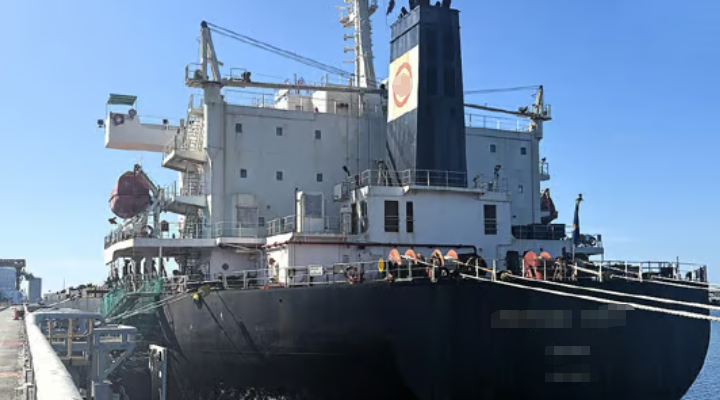
The Australian Maritime Safety Authority (AMSA) has announced a port State control (PSC) enforcement case involving a Marshall Islands-flagged bulk carrier. The vessel has been banned from entering Australian ports and waters for 90 days after it was found to have deliberately falsified crew hours of work and rest records.
近日,澳大利亚海事安全局(AMSA)公布一起港口国监督(PSC)处罚案例:一艘马绍尔群岛籍散货船因故意篡改船员工作与休息时间记录,被禁止进入澳大利亚港口及其水域90天。
The vessel has a deadweight tonnage of approximately 87,000 tonnes. On 29 October, AMSA inspectors conducted a PSC inspection while the ship was alongside at the Port of Newcastle. The inspection was triggered by a complaint relating to the Maritime Labour Convention (MLC). Inspectors found that the vessel’s records of crew working and rest hours had been deliberately altered and did not reflect the actual hours worked.
该船载重吨约8.7万吨。10月29日,AMSA检查人员在纽卡斯尔港(Newcastle)对其开展港口国监督检查。此次检查由一项《海事劳工公约》(MLC)相关投诉触发。检查人员发现,船上工作与休息时间记录被故意修改,实际工作时长与记录不符。
More significantly, the vessel had already been identified with similar deficiencies on two previous occasions. In December 2023, inspectors found inaccuracies in its hours of work and rest records. In August 2026, the vessel was detained again over deficiencies in its working-hour records and monitoring arrangements.
Following the latest findings, AMSA imposed a 90-day ban under Section 246 of Australia’s Navigation Act 2012.
更值得注意的是,该船此前已有两次类似问题记录:2023年12月,检查人员发现其工作与休息时间记录不准确;2026年8月,该船又因工时记录和监控管理不当被扣留。此次再次发现同类问题后,AMSA依据澳大利亚《2012年航海法》第246条,对其实施90天禁入措施。
International Conventions Set Clear Limits on Seafarers’ Working and Rest Hours
船员工作与休息时间,国际公约有明确要求
The Maritime Labour Convention (MLC), Regulation 2.3, and the International Convention on Standards of Training, Certification and Watchkeeping for Seafarers (STCW), Regulation VIII/1, both establish requirements for seafarers’ hours of work and rest.
《海事劳工公约》(MLC)第2.3条和《海员培训、发证和值班标准国际公约》(STCW)第VIII/1条,均对船员工作与休息时间作出了规定。
Under MLC Standard A2.3, vessels must comply with one of the following two regimes:
Maximum hours of work:
-
No more than 14 hours in any 24-hour period.
-
No more than 72 hours in any seven-day period.
Minimum hours of rest:
-
At least 10 hours in any 24-hour period.
-
At least 77 hours in any seven-day period.
按照MLC标准A2.3,船员工作与休息时间应满足以下标准之一:
工作时间上限:任意24小时内不超过14小时,任意7天内不超过72小时。
休息时间下限:任意24小时内不少于10小时,任意7天内不少于77小时。
Rest periods may be divided into no more than two periods, one of which must be at least six hours long. The interval between consecutive rest periods must not exceed 14 hours.
Ships must maintain records of each seafarer’s daily hours of work or rest in the prescribed format and provide each seafarer with a copy of their individual records. These records must be endorsed by the seafarer and the master or an authorised person.
休息时间最多分为两个时段,其中一个时段不得少于6小时,两个连续休息时段之间不得超过14小时。
Operations such as arrival and departure manoeuvres, cargo handling, equipment maintenance, bunkering and hold cleaning must also be reflected in actual working-hour records. This helps ensure that recorded rest periods are consistent with the work actually performed on board.
船舶应按规定格式记录船员每日工作或休息时间,并向船员提供本人记录副本,由船员及船长或授权人员确认。靠离泊、装卸货、设备维护、加油和清舱等作业,也应纳入实际工时管理,避免排班与休息记录不一致。
PSC Inspectors Check Actual Working Practices, Not Just Paperwork
PSC检查不只看表格,还会核对实际工作情况
Crew hours of work and rest records are among the areas examined during port State control inspections. Inspectors may assess whether records are complete and continuous, whether minimum rest requirements have been met, and whether the entries accurately reflect the crew’s actual working patterns.
在港口国监督检查中,船员工作与休息时间记录是检查人员关注的内容之一。记录是否完整、连续,是否符合最低休息要求,以及能否反映船员实际工作情况,都可能成为检查重点。
For example, pilot preparation, mooring and unmooring operations before and after arrival, as well as additional duties undertaken by deck and engine department personnel during cargo operations, can all reduce available rest time. If crew members involved in these activities are still recorded as resting, the records will not accurately reflect the hours they have worked.
例如,抵港前的引航准备、系解缆和靠泊作业,以及装卸期间甲板部、轮机部承担的额外任务,都可能占用船员休息时间。如果实际参与作业的船员仍被记录为处于休息状态,就会造成工时记录与实际情况不符。
In its guidance on watchkeeping and fatigue management, AMSA identifies several practices that may lead to further scrutiny or detention:
-
Rest-hour records have been altered and do not reflect the actual rest taken.
-
Watchkeeping personnel have not received the minimum rest periods required under STCW.
-
Compensatory rest is used to cover routine work that could have been scheduled in advance, resulting in repeated breaches of rest-hour requirements.
Records should therefore be maintained as part of routine onboard operations, not filled in retrospectively just before an inspection. Crew watch schedules, work assignments, deck and engine room activity logs, and records of arrival and departure operations should be consistent with one another.
AMSA在其船员值班与疲劳管理通告中明确指出,以下情况可能引发进一步检查或扣船:
休息时间记录被修改,无法反映实际休息情况;
值班船员的休息时间不符合STCW最低要求;
将补偿性休息用于原本可以提前安排的正常作业,导致反复违反休息时间要求。
因此,船上记录不能只在检查前集中补填。船员日常值班表、工作安排、甲板及轮机作业记录、靠离泊时间等,都应能够相互印证。
Fatigue Management Is Essential to Safe Vessel Operations
船员疲劳管理,关系到船舶安全运营
AMSA has warned that fatigue can impair seafarers’ judgement, alertness and reaction times, increasing the likelihood of errors during navigation, watchkeeping and other critical operations. For crew members who must maintain prolonged lookouts, operate machinery and respond to emergencies, insufficient rest can increase the risk of collisions, groundings and personal injuries.
AMSA指出,疲劳会影响船员判断力、警觉性和反应速度,增加航行、值班及其他关键操作中的失误概率。对于需要长时间保持瞭望、操纵设备和处理突发情况的船员而言,休息不足可能带来碰撞、搁浅及人员受伤等后果。
Shipowners and ship managers should regularly cross-check crew watch schedules, hours of work and rest records, and actual operational logs. When workloads increase due to intensive cargo operations, consecutive port calls or equipment maintenance, schedules should be adjusted promptly to prevent excessive working hours and inadequate rest.
对船东和船舶管理公司而言,需要定期核对船员值班表、工作与休息时间记录及实际作业日志。遇到集中装卸、连续靠离泊或设备检修等工作量增加的情况,应及时调整排班,避免船员连续工作导致休息时间不足。
For vessels planning to call at Australian ports, shipowners are advised to review crew work and rest records, watchkeeping arrangements and relevant operational logs in advance. The records must accurately reflect actual working practices to avoid repeated deficiencies that could affect the vessel’s future trading in Australia.
对于计划挂靠澳大利亚港口的船舶,建议提前检查船员工作与休息记录、值班安排及相关作业日志,确保实际工作情况与记录一致,避免因反复出现同类缺陷影响船舶后续营运。
E-PORTS provides port service support to vessels operating worldwide and can assist with crew changes, provisions, spare parts and repair services. To learn more or submit a service request, scan the QR code and complete the form. E-PORTS will provide a tailored service plan based on your requirements.
E-PORTS面向全球船舶提供在港服务支持,可为协助安排船员换班、物料供应、备件及维修等业务。如需了解相关服务或提交业务需求,欢迎扫描二维码填写信息,E-PORTS将为您提供专属服务方案。

References:
-
Australian Maritime Safety Authority (AMSA): AMSA bans vessel over repeatedly falsifying seafarer hours of work and rest records
-
The Maritime Executive: Australia Bans Bulker After Finding Falsified Crew Work Records
-
Australian Maritime Safety Authority (AMSA): 2025/03 – Watchkeeping and crewing standards
-
International Labour Organization (ILO): Maritime Labour Convention, 2006 (MLC), Standard A2.3
-
Australian Maritime Safety Authority (AMSA): Refusal of access to Australian ports
参考文章:
澳大利亚海事安全局(AMSA):AMSA bans vessel over repeatedly falsifying seafarer hours of work and rest records
The Maritime Executive:Australia Bans Bulker After Finding Falsified Crew Work Records
澳大利亚海事安全局(AMSA):2025/03 - Watchkeeping and crewing standards
国际劳工组织(ILO):《2006年海事劳工公约》(MLC)标准A2.3
澳大利亚海事安全局(AMSA):Refusal of access to Australian ports
Disclaimer: The data and analysis in this article are based on publicly available information and industry research and are provided for industry discussion and reference only. They do not constitute investment advice or an operational commitment. The shipping market is affected by multiple factors, including macroeconomic conditions, geopolitical developments and weather, and remains subject to uncertainty. Readers should consider their own fleet structure, risk tolerance and the latest market developments when making operational or commercial decisions.
*免责声明:本文所载数据及分析均基于公开信息和行业研究报告,仅供行业交流与参考,不构成任何投资建议或操作承诺。航运市场受宏观经济、地缘政治、天气变化等多重因素影响,存在不确定性。读者在制定具体经营决策时,应结合自身船队结构、风险承受能力及最新市场动态综合判断。
 RELATED NEWS

 Hotline
 Email


 沪公网安备 31011502016705号
Disclaimer:
This communication has been prepared for general information only. To the maximum extent permitted by law, E-PORTS and its affiliated companies, its and their employees, directors, agents, contractors (of any tier) and partners shall not be liable for any loss, claim, charge, damage, liability or damages howsoever arising in connection with the information even if advised of the possibility of damages. The use of the information shall be at your sole risk. Information contained herein comes with no representation or warranty (express or implied) and specifically is not represented or warranted to be correct, complete, accurate or up to date. The information is provided on an “as is” and “as available” basis and is not intended to be relied upon in any way. You shall be solely responsible for the selection, use, efficiency and suitability of the information.








 Chat with us