
LPG and Iron Ore Rising Together: Is the Global Industrial Shipping Chain Restarting?LPG与铁矿同时升温:全球工业运输链,开始重新启动了吗?
Recently, two shipping signals from completely different commodity markets have begun moving in the same direction.
近日,两个原本分属不同市场的航运信号,开始同时出现变化。
On one side, global LPG (Liquefied Petroleum Gas) trade has started to regain momentum. According to industry analysts, as Asian demand recovers and U.S. exports rebound, global LPG shipping flows are gradually returning to a growth trajectory. In particular, long-haul LPG transportation from the United States to Asia has shown a noticeable increase in activity.
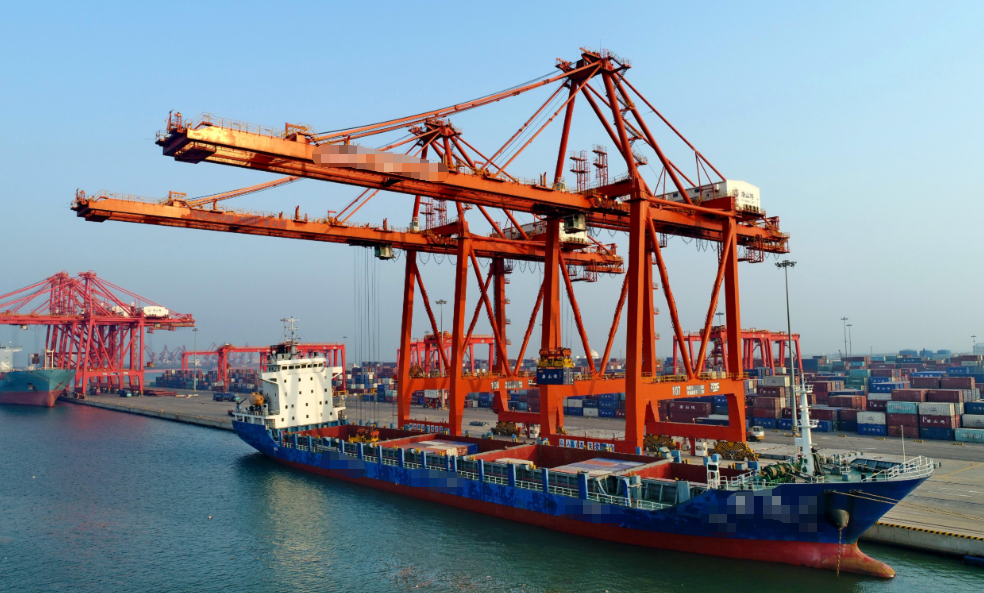
一边是全球LPG(液化石油气)贸易重新恢复活跃。根据行业分析机构的数据,随着亚洲需求回暖以及美国出口恢复,全球LPG海运流向正在逐步回到增长轨道。尤其美国至亚洲长航线运输,近期活跃度明显回升。
On the other side, the Capesize market has also begun strengthening again. The Baltic Capesize Index (BCI) has continued to rise recently, with the market refocusing on increasing Brazilian iron ore shipments and renewed restocking demand from Chinese steel mills.
另一边则是Cape市场重新转强。近期波罗的海海岬型船指数(BCI)持续上涨,市场重新开始关注巴西铁矿发运增加以及中国钢厂补库需求回暖。
Viewed separately, these may appear to be ordinary fluctuations in two unrelated cargo markets. But taken together, they reveal an increasingly important trend:
The global industrial transportation chain may be entering a new inventory replenishment cycle.
单独看,这似乎只是两个不同货种市场的正常波动。但如果把它们放在一起,其实会发现一个越来越明显的变化:全球工业运输链,可能正在重新进入“补库存周期”。
The Real Change Behind LPG Recovery: Industrial Demand
LPG恢复背后,真正变化的其实是工业需求
Over the past year, the global LPG market faced multiple pressures, including weaker Asian petrochemical demand, disruptions at the Panama Canal, and fluctuations in U.S. export activity.
过去一年,全球LPG市场一度受到多重因素影响,包括亚洲石化需求放缓、巴拿马运河通行问题以及美国出口节奏波动。
But over recent months, the market has started to shift again. Industry data shows that U.S. LPG export volumes have resumed growth, while Asian import demand has improved significantly. Petrochemical companies in China and India have recently increased feedstock purchases.
但最近几个月,市场开始重新出现变化。根据行业数据,美国LPG出口量近期重新增长,而亚洲进口需求也明显改善。尤其中国与印度部分石化企业,近期开始重新增加原料采购。很多人会把LPG简单理解为民用燃气,但实际上,在全球贸易体系里,LPG还是工业与化工原料。
Many people associate LPG primarily with residential fuel usage. In reality, however, LPG is also a critical industrial and chemical feedstock within global trade systems.
Products such as propane and butane are widely used in:
- Chemical production
- Plastics manufacturing
- Industrial fuel applications
- Downstream manufacturing industries
尤其丙烷、丁烷等产品,本身广泛用于化工生产、塑料产业、工业燃料、下游制造业等。
As a result, when LPG shipping activity begins recovering, it often signals more than just changes in the energy market. It may also indicate that downstream industrial activity is becoming more active again.
In particular, the recovery of long-haul VLGC routes between the United States and Asia represents a strong signal that global industrial raw material flows are strengthening.
因此,当LPG运输开始恢复时,很多时候并不只是能源市场变化,更意味着:下游工业活动正在重新活跃。尤其美国—亚洲VLGC长航线恢复,本身就是全球工业原料流动增强的一个典型信号。
The Capesize Market Is Not Rising Simply Because “Iron Ore Is Up”
Cape市场上涨,同样不只是“铁矿涨了”
At the same time, the Capesize market has also regained momentum.
According to publicly available market data, Brazilian iron ore export volumes have recently improved, while Chinese steel mills have become more active in raw material procurement. As a result, long-haul transportation demand between Brazil and China has increased, significantly raising Capesize vessel utilization.
This, too, reflects a broader industrial recovery trend, because iron ore transportation is fundamentally linked to:
与此同时,最近Cape市场也开始重新转强。根据市场公开数据,近期巴西铁矿发运量有所回升,中国钢厂原料采购活跃度也较此前改善。受此影响,巴西—中国长航线运输需求增加,Cape运力消耗明显上升。这背后,其实也是工业链恢复的体现。因为铁矿运输本质上对应的是:
- Steel production
- Infrastructure construction
- Manufacturing activity
- Industrial investment
钢铁生产
基建
制造业
工业投资
The market is now paying closer attention to inventory replenishment by Chinese steel mills, suggesting that the previously cautious approach toward industrial raw material procurement may be shifting.
尤其近期市场重新开始关注中国部分钢厂补库存行为,这意味着:过去一段时间偏谨慎的工业原材料采购,可能正在发生变化。
For the Capesize market, the key variable has never been short-term sentiment. What truly matters is whether long-haul cargo volumes are increasing sustainably.
对于Cape市场来说,真正敏感的从来不是短期情绪,而是:长航线货量有没有持续增加。
And the recent improvement in Brazilian shipments is attracting attention precisely because Brazil–China routes are highly ton-mile intensive. Compared with shorter Australian routes, they consume far more global Capesize capacity.
而近期巴西发运改善,恰恰是市场重新关注的核心原因。因为相比澳洲短航线,巴西—中国属于典型高耗船航线,对全球Cape运力影响更明显。
What Really Matters: Energy and Industrial Raw Materials Are Recovering Together
真正值得关注的是:能源和工业原料开始一起恢复
Over the past year, the global shipping market has often appeared fragmented.
过去一年,全球航运市场其实一直比较“割裂”。有时候能源强、散货弱;有时候铁矿上涨,但化工需求偏冷。很多市场之间并没有形成同步。
At times, energy markets were strong while dry bulk remained weak. At other times, iron ore prices rose while chemical demand stayed soft. Different sectors failed to recover in sync.
But the recent shift is different:
energy feedstocks and industrial raw materials are beginning to recover simultaneously.
但最近出现的变化是:能源原料与工业原材料,开始同时恢复活跃。
This may indicate that the global industrial chain is entering a renewed restocking phase.
Both LPG and iron ore sit at the very upstream end of industrial activity. Their shared characteristic is that changes usually appear first in raw material transportation—not at the consumer level.
而这背后,很可能意味着全球工业链正在重新进入补库存阶段。因为无论是LPG还是铁矿,本质上都属于工业活动最上游的货种,它们的共同特点是:通常不会在消费端最先变化,而会先在原材料运输端体现出来。
换
In other words, what the market may be witnessing now is not merely stronger LPG freight rates or a rising Capesize market, but rather:
a renewed increase in global industrial raw material flows.
换句话说,现在市场看到的,可能并不仅仅是LPG运价回暖或者Cape上涨,而是:全球工业体系,正在重新增加原料流动。
Why This Signal Matters for Shipping
For the shipping industry, vessel demand has never been determined by a single commodity alone.
What truly drives capacity consumption is whether long-haul trade routes become active simultaneously.
In recent years, some markets experienced localized rallies, but overall vessel utilization remained unstable. One major reason was that recovery cycles across commodities were not synchronized.
Now, however, if:
这个信号有什么特别的吗?对于航运市场来说,真正决定运力消耗的,从来不是单一货种。而是长航线是否开始同时活跃。
最近几年,很多市场虽然局部有行情,但整体运力消耗并不稳定。其中一个原因,就是货种之间恢复节奏并不同步。但现在,如果:
- U.S. LPG exports continue recovering
- Asian petrochemical demand keeps improving
- Brazilian iron ore exports remain strong
- Chinese steel mills maintain restocking activity
美国LPG出口继续恢复
亚洲化工需求继续改善
巴西铁矿保持高发运
中国钢厂维持补库
then global long-haul shipping demand may increase significantly over the coming months.
This would particularly support:
- VLGCs
- Capesize vessel
- Newcastlemax vessel
- Certain Panamax vessel segments
These vessel classes are all highly dependent on long-distance trade routes.
中国钢厂维持补库
那么未来几个月,全球长航线运力消耗可能会明显增加。尤其VLGC、Cape、Newcastlemax以及部分Panamax。市场,都可能受到支撑。因为这些船型,本身都高度依赖长航距运输。
Global Shipping May Be Entering a New Phase
全球航运,可能正在进入新的阶段
Over the past year, market discussions have focused heavily on:
- Red Sea risks
- Geopolitical tensions
- Canal rerouting
- Port congestion
These factors have certainly influenced freight rates and shipping patterns.
But the deeper issue facing global shipping over recent years has not been a lack of demand—it has been the uneven recovery of global industrial activity.
过去一年,市场更习惯讨论:红海风险、地缘冲突、运河绕航、港口拥堵,这些问题确实在不断影响运价与航线结构。但最近几年全球航运市场真正面临的问题,其实并不是“没有需求”,而是全球工业恢复并不均衡
For a long period, steel mills, chemical producers, and manufacturers remained cautious, relying on:
- Short procurement cycles
- Low inventory strategies
As a result, synchronized restocking activity remained limited.
过去一段时间里,很多行业始终保持偏谨慎状态。无论是钢厂、化工企业还是部分制造业买家,原料采购更多以短周期、低库存为主,市场长期缺少持续性的同步补库。
This explains why the market frequently saw:
- Strong energy markets but weak dry bulk demand
- Rising iron ore prices but mediocre industrial feedstock transportation
- Hot individual trade routes but limited overall vessel consumption
也正因为如此,过去一年经常会出现:
能源市场偏强,但散货偏弱
铁矿上涨,但工业原料运输一般
局部航线火热,但整体运力消耗有限
What makes the recent simultaneous rise in LPG and iron ore shipping important is that it suggests:
global industrial raw material transportation may finally be recovering in sync.
This does not necessarily mean the world has entered a full industrial expansion cycle. But it does indicate that the previously conservative procurement environment may be changing.
And for shipowners, the most important question may no longer be about a single route or cargo.
Instead, it may be:
Are global industrial raw materials beginning to move again?
而近期LPG与铁矿运输同时升温,值得关注的地方在于:全球工业原料运输,开始出现同步恢复迹象。这未必意味着全球工业已经进入全面扩张周期,但至少说明过去那种偏保守的 采购节奏,可能正在发生变化。
而对于船东来说,现在真正值得关注的,或许已经不只是某一条航线。而是全球工业原料,是否正在重新开始流动。
References and Information Sources
- Hellenic Shipping News: Global LPG flows on the road to recovery
- Hellenic Shipping News: Dry bulk market: Capesize market on the rise
- Baltic Exchange recent market data
- U.S. EIA and publicly available international LPG trade data
- Brazilian iron ore export data and Chinese steel mill procurement market information (May 2026)
参考文章与信息来源:
Hellenic Shipping News:《Global LPG flows on the road to recovery》
Hellenic Shipping News:《Dry bulk market: Capesize market on the rise》
波罗的海交易所(Baltic Exchange)近期市场数据
美国EIA与国际LPG贸易公开数据
巴西铁矿出口及中国钢厂采购公开市场信息(2026年5月)
 RELATED NEWS
 Hotline
 Email
Email

 沪公网安备 31011502016705号
Disclaimer:
This communication has been prepared for general information only. To the maximum extent permitted by law, E-PORTS and its affiliated companies, its and their employees, directors, agents, contractors (of any tier) and partners shall not be liable for any loss, claim, charge, damage, liability or damages howsoever arising in connection with the information even if advised of the possibility of damages. The use of the information shall be at your sole risk. Information contained herein comes with no representation or warranty (express or implied) and specifically is not represented or warranted to be correct, complete, accurate or up to date. The information is provided on an “as is” and “as available” basis and is not intended to be relied upon in any way. You shall be solely responsible for the selection, use, efficiency and suitability of the information.








 Chat with us