
Suez Canal Transit 2025: Precautions and Typical Risks 苏伊士运河通航:注意事项与典型风险
Despite its vital role in handling 12% of global seaborne trade, the Suez Canal presents significant navigational challenges. With sections as narrow as 195 meters, heavy convoy traffic, and the risk of sudden shoaling, safe passage demands rigorous safety management. Drawing on insights from experienced masters, this article outlines key considerations for transiting the canal.
苏伊士运河,这条承担全球12%海运量的黄金航道,看似宽阔实则暗藏风险——最窄处仅195米的航道、密集的编队船舶、突发的浅滩淤积,每一步都考验安全管控能力。结合多位船长实操经验,本文为大家分享一些通行的注意事项。
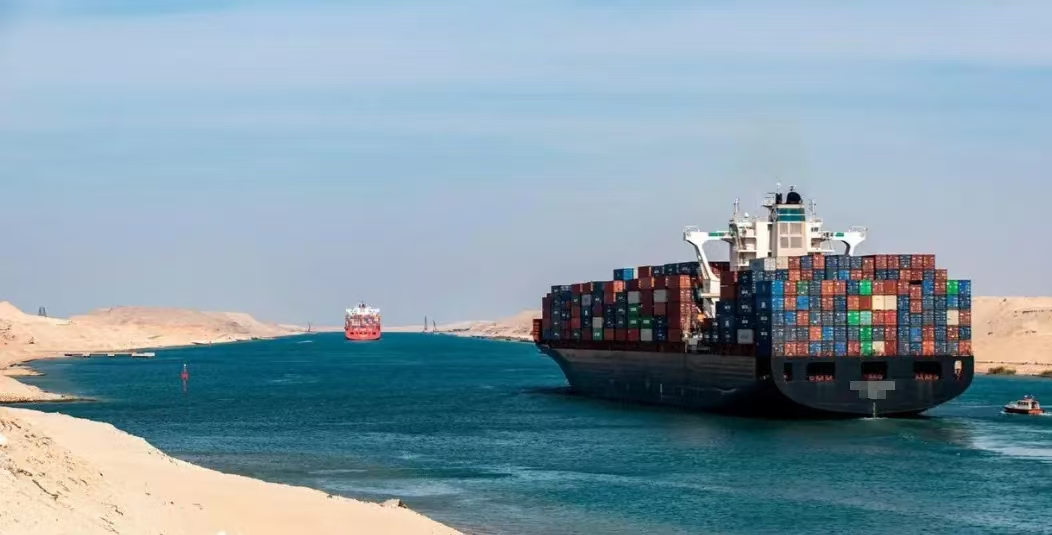
Navigation Maneuvering & Convoy Rules
航行操纵与编队规则
Maximum Dimension Limits: According to SCA regulations, vessel dimensions for canal transit are strictly limited. Vessels exceeding 400 meters in length or 64.01 meters in beam may only transit when crosswinds do not exceed 10 knots.
最大尺度限制:根据苏伊士运河管理局(SCA)的规则,通过运河的船舶尺度受到严格限制。船长超过400米或船宽超过64.01米的船舶,在横风不超过10节时方可通行。
Maximum permissible draft depends on factors such as beam and heading and must be verified using specific tables.
船舶最大允许吃水与船宽、航向等因素有关,具体需查表确认。
Convoy and Speed: The canal operates a one-way convoy system. Vessels must pass the arrival line (Lat. 29°42.8' N for northbound, Lat. 31°28.7' N for southbound) before the SCA deadline; otherwise, they may miss the day's convoy or incur substantial surcharges. SCA regulations explicitly state that even during compulsory pilotage, the master's responsibility for vessel safety is not relieved, and effective monitoring of the pilot's actions is required. Some pilots, due to age or habit, may be unfamiliar with electronic equipment or uncooperative, requiring prudent handling by the master.
编队与航速:运河采用单向编队航行制度。务必在SCA规定的截止时间前通过抵达线(北上为北纬29°42.8',南下为北纬31°28.7'),否则可能无法加入当日编队或需支付高额附加费。SCA规则明确规定,即使在强制引航期间,船长对船舶安全的责任并未解除,必须对引航员的操作进行有效监控。部分引航员可能因年龄、习惯等原因,存在不熟悉电子设备、拒绝合作等情况,需要船长审慎处理。
Northbound convoys (once daily) are typically divided into Groups A and B. Group A includes warships and large container vessels with speeds around 14 km/h (7.6 knots), while heavy vessels like VLCCs travel at approximately 13 km/h (7 knots). Group B consists of ordinary vessels.
北上船队(每天1次)通常分为A、B两组。A组中的军舰、大型集装箱船等航速约为14公里/小时(7.6节),而VLCC等重型船舶航速约为13公里/小时(7节)。B组为普通船舶。
Southbound convoys (twice daily) in both Groups A and B travel at approximately 14 km/h.
南下船队(每天2次)A、B两组航速均约为14公里/小时。
Communication Coordination
通讯协同
Core Communication Channels:
核心通讯频道:
Northbound vessels, 5-10 nautical miles before arriving at Buoy No. 1, must contact "Suez Port Control" on VHF CH14.
北上船舶在抵达1号灯浮前5-10海里,需使用VHF CH14联系"Suez Port Control"。
Southbound vessels, 15 nautical miles before the Port Said approach buoy, must contact "Port Said Port Control" on VHF CH12.
南下船舶在塞得港进口浮前15海里,需使用VHF CH12联系"Port Said Port Control"。
Throughout the process, vessels must continuously monitor the VHF channel designated by port control to receive critical instructions such as convoy position numbers and pilot boarding times. All vessels must maintain a listening watch on VHF CH16 (the international distress, safety, and calling channel).
在整个过程中,船舶需按要求不间断守听港口控制指定的VHF频道,以接收编队序号、引航员登轮时间等关键指令。所有船舶均应保持VHF CH16(国际遇险、安全和呼叫频道)的守听。
Typical Risks and Emergency Response
典型风险与应急处置
Vessel Grounding
船舶搁浅
Risk Analysis: The canal has narrow sections (the narrowest point between buoys is only 185 meters wide), and the bank effect and shallow water effect are significant, which can easily lead to ships veering off course, colliding, or running aground. The grounding of the "Changci" vessel is a typical example.
风险分析:运河部分航道狭窄(最窄处浮标间宽度仅185米),岸壁效应和浅水效应显著,易导致船舶偏航、擦碰或搁浅。"长赐"轮搁浅事件就是一个典型案例。
Emergency Response: In the event of grounding, immediately sound the appropriate sound signals as required, report the vessel's position, grounded section, and draft to the Canal Control Center via VHF, and simultaneously summon tug assistance.
应急处置:发生搁浅后,应立即按规则鸣放声号,并通过VHF向运河管控中心报告船位、搁浅部位和船舶吃水等情况,同时呼叫拖轮协助。
Equipment Failure
设备故障
Risk Analysis: Sudden failure of critical equipment such as main engine or steering gear during canal transit can lead to loss of control, potentially causing serious accidents.
风险分析:主机、舵机等关键设备在运河中突发故障,可能导致船舶失控,引发严重事故。
Prevention and Response: Conduct thorough checks and tests of critical equipment like main engine and steering gear before transit. In case of failure, immediately activate backup equipment, report to the Control Center, request emergency assistance, and proceed to a designated emergency anchorage if necessary.
预防与处置:过河前应对主机、舵机等关键设备进行彻底的检查和测试。一旦发生故障,应立即启动备用设备,并向管控中心报告,申请紧急协助,必要时前往指定应急锚地。
Sudden Severe Weather
突发恶劣天气
Risk Analysis: Between February and June each year, the canal region may experience strong southerly winds known as "Khamsin," often accompanied by sandstorms, causing a sharp drop in visibility and posing a significant threat to navigation.
风险分析:每年2-6月期间,运河地区可能遭遇名为"Khamsim"的猛烈南风,常伴随沙尘暴,能见度会急剧下降,对航行操纵构成极大威胁。
Emergency Response: Pay close attention to weather warnings. In the event of a sudden sandstorm, immediately reduce speed, enhance lookout, maintain a safe distance from the vessel ahead, and seek guidance from the Control Center if necessary.
应急处置:应提前关注天气预警,遇到突发沙尘暴时,立即减速,加强瞭望,并与前船保持安全距离,必要时向管控中心寻求指引。
Crew Fatigue
人员疲劳
Risk Analysis: Transiting the Suez Canal may require the master and key crew members to work continuously for approximately 15 hours, leading to physical and mental exhaustion, impairing judgment and reaction time.
风险分析:过一次苏伊士运河,船长和关键船员可能需要连续工作15小时左右,易导致身心疲惫,影响判断力和反应速度。
Recommended Measures: Both ship and shore management should recognize this risk, reasonably arrange crew shifts during transit, and ensure key personnel have adequate rest to maintain full alertness.
应对建议:船岸均应重视此风险,合理安排过河期间的船员班次,确保关键岗位人员得到休息,以保持充分警觉。
Pre-Transit Safety Checklist
过河前安全核查清单
Certificates and Documents: Ensure core documents such as the Suez Canal Tonnage Certificate and Certificate of Vessel's Nationality are complete and valid. Vessels transiting for the first time must also prepare documents like the General Arrangement Plan and Engine Room Plan.
证书与文件:确保苏伊士运河吨位证书、船舶国籍证书等核心文件齐全有效。首次过河的船舶还需准备总布置图、机舱布置图等。
Charts and Publications: Carry mandatory canal-specific charts such as SC01 and SC02 as required, along with the latest Suez Canal Navigation Rules.
图书资料:按规定配备SC01、SC02等强制要求的运河专用海图及最新的苏伊士运河规则。
Equipment Testing: Pre-test equipment including main engine, steering gear, windlass, canal searchlights, and boat davits to ensure operational readiness.
设备试运转:主机、舵机、锚机、运河探照灯、吊艇机等设备提前测试,确保工况正常。
Emergency Drills: Crew should be familiar with emergency procedures for fire, life-saving, grounding, and pollution to ensure rapid response capability.
应急演练:船员应熟悉消防、救生、搁浅、污染等应急流程,确保能迅速响应。
Pilot Accommodation: Prepare the pilot's cabin and meals in advance, respecting their cultural customs (e.g., refraining from offering alcohol and pork products).
引航员接待:提前准备好引航员房间、餐食,并尊重其文化习俗(如不提供酒类和猪肉制品)。
Addressing the various challenges of Suez Canal transit, E-PORTS provides comprehensive professional support and transit services for vessels traversing the Suez Canal. If you need to learn more about Suez transit solutions or other services, you can contact us via:
针对苏伊士运河通航中的各项挑战,E-PORTS为苏伊士运河通航的船舶提供全方位专业支持与过河服务。若需要了解更多关于苏伊士过河方案或其它服务,可通过以下方式联系:
WhatsApp/Wechat: 13816101982
Email: contact@e-ports.com
 RELATED NEWS
 Hotline
 Email
Email

 沪公网安备 31011502016705号
Disclaimer:
This communication has been prepared for general information only. To the maximum extent permitted by law, E-PORTS and its affiliated companies, its and their employees, directors, agents, contractors (of any tier) and partners shall not be liable for any loss, claim, charge, damage, liability or damages howsoever arising in connection with the information even if advised of the possibility of damages. The use of the information shall be at your sole risk. Information contained herein comes with no representation or warranty (express or implied) and specifically is not represented or warranted to be correct, complete, accurate or up to date. The information is provided on an “as is” and “as available” basis and is not intended to be relied upon in any way. You shall be solely responsible for the selection, use, efficiency and suitability of the information.






 Chat with us