
Another Vessel Rush Cycle Ahead?抢船周期又要来了?
In mid-May, Brazil’s northern logistics system released a notable set of figures: cargo throughput on the Tapajós Waterway reached 2.38 million tons during the first two months of 2026, marking a record high for the same period. According to local logistics and port data, roughly 86% of the cargo consisted of soybeans and corn.
5月中旬,巴西北部物流系统公布了一组数据:2026年前两个月,Tapajós水道货运量达到238万吨,创下同期历史新高。根据当地物流与港航公开资料,其中约86%的运输货物为大豆和玉米。
At first glance, this may not seem like a headline-grabbing development. But against the backdrop of today’s global dry bulk market, the signal is becoming increasingly clear: Brazil’s northern grain export system is accelerating rapidly.
光看这条新闻,好像不算什么惊天动雷的消息。但放到眼下全球散货市场的背景下,它释放的信号越来越清楚:巴西北部的粮食出口体系,正在明显提速。
For dry bulk shipowners, the more important question is this: could South American grain transportation be heading into another “vessel scramble” cycle?
对于散货船东来说,真正该琢磨的是另一个问题:南美粮运,会不会又要进入“抢船”周期?
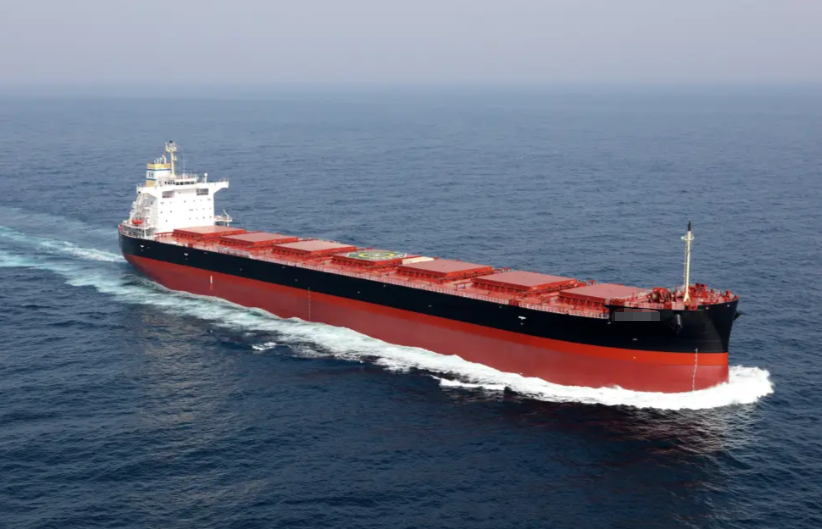
Brazil’s Export Structure Is Moving Toward a “Dual-Hub” Model
巴西出口重心,正在走向“双中心”
A few years ago, when discussing Brazilian grain exports, the industry instinctively focused on the country’s traditional southern ports, especially Santos and Paranaguá. These ports have long handled the bulk of Brazil’s soybean and corn exports and remain the best-known loading hubs for Chinese buyers.
前些年,一提到巴西粮食出口,大家首先想到的是南部的传统大港,比如Santos、Paranaguá。这些港口常年扛着巴西大部分大豆和玉米的出口任务,也是中国买家最熟悉的装货地。
But in recent years, a major shift has become increasingly visible: Brazil’s Northern Arc port system is expanding quickly.
但这几年,一个变化越来越明显:巴西北部弧港(Northern Arc)体系,正在快速扩张。
The so-called Northern Arc mainly includes northern ports such as Miritituba, Santarém, Barcarena, and Itaqui, together with an integrated inland river logistics network. The record-breaking Tapajós Waterway is one of the core arteries of this system.
Large volumes of grain from Brazil’s central-west agricultural regions are first trucked to Miritituba, then transferred onto large barges traveling north along the Tapajós and Amazon rivers before reaching export terminals for ocean loading.
所谓北部弧港,主要包括Miritituba、Santarém、Barcarena、Itaqui等北部港口,再加上一整套内河转运系统。这次刷新纪录的Tapajós水道,正是这个体系里的核心通道之一。大量来自巴西中西部农业区的粮食,先靠卡车拉到Miritituba,再用大型驳船沿着Tapajós河和亚马逊河往北运,最后送到出口港装船。
Compared with traditional southern export routes, the biggest advantage of this system is efficiency. According to publicly available Brazilian agricultural logistics data, the northern corridor not only reduces part of the inland trucking burden, but also improves the country’s overall export capacity and logistics flow.
跟传统的南部路线相比,这套体系最大的好处是:能明显缩短部分出口路径。根据巴西农业物流的公开资料,北部通道不光能减轻一部分陆路运输压力,也在整体上提升了巴西的出口效率。
In recent years, Brazil’s grain production has continued to expand, while southern ports have frequently suffered from seasonal congestion, truck queues, rail bottlenecks, and longer vessel waiting times. The expansion of the northern export system is essentially Brazil’s way of redistributing export pressure.
最近几年,巴西粮食产量不断增长,南部港口在旺季经常出现集港拥堵、卡车排长队、铁路吃紧、船等得越来越久。北部出口体系的扩张,本质上就是帮巴西“分流”。
Why Is the Shipping Market Refocusing on South America?
为什么航运市场又开始盯着南美?
For the dry bulk market, what truly matters is not simply rising grain production, but whether that grain can be exported efficiently and consistently.
对于散货市场而言,真正重要的从来不只是“粮食增产”,而是粮食能不能稳定、高效率地运出去。
Over the past several years, one trend has become increasingly evident in global agricultural trade: South America’s share of global grain exports continues to rise.
过去几年,全球粮食贸易已经出现一个越来越明显的变化:南美在全球粮运中的占比持续提升。
According to data from the USDA and Brazil’s CONAB, Brazil has maintained its position as the world’s leading soybean exporter while also significantly increasing corn exports. Meanwhile, China continues to maintain a high level of grain imports from Brazil.
根据美国农业部(USDA)和巴西国家供应公司(CONAB)数据,巴西近年大豆出口规模持续保持全球领先,同时玉米出口也在明显增长。中国则继续维持对巴西粮食的高采购比例。
This means that the China–Brazil grain corridor is becoming more strategically important to global shipping markets.
这意味着,中巴粮食航线的重要性正在不断增强。
If the Northern Arc system continues to mature, the biggest change for shipowners may not necessarily be a short-term freight spike, but rather something more structural: Brazil’s export capability is becoming more stable and reliable.
而一旦北部港口体系进一步成熟,对于船东来说,最大的变化可能并不是“短期爆发式行情”,而是:巴西出口能力正在变得更稳定。
In the past, the market’s concern was straightforward — Brazil had abundant grain supply, but ports and inland infrastructure struggled to handle peak export volumes.
因为过去市场担心的是:货虽然多,但港口和内陆物流未必能承接。
Now the situation is changing. As northern waterways, barge systems, and transshipment hubs continue to expand, Brazil is gradually building an export structure where southern ports, northern arc ports, and inland logistics systems operate simultaneously and complement one another. This will directly reshape global grain shipping flows.
现在则不同。随着北部水道、驳船系统与转运港持续扩张,巴西正在逐渐形成南部港口、北部弧港、内河物流体系同步发力的出口格局。这会直接影响全球粮食运输节奏。
Why Is the Industry Talking About Another “Vessel Rush”?
“抢船”为什么又被拿出来说了?
Grain exports remain one of the core cargo drivers for the Panamax and Kamsarmax sectors. Every Brazilian export season typically tightens vessel availability in South America.
粮食出口,本身就是Panamax与Kamsarmax市场最核心的货盘之一。尤其每年巴西出口旺季,南美区域运力都会明显趋紧。
The difference now is that export growth is no longer concentrated solely in southern ports. Northern ports are also increasing throughput at the same time. That means South America’s overall loading capacity could continue rising in the coming months.
For shipowners, if several conditions persist simultaneously:
而现在的问题在于,过去只是南部港口集中发运,如今则是北部港口也开始同步放量。这意味着,未来几个月,南美整体装船能力可能继续提升。对于船东来说,一旦:
- Chinese grain purchases remain stable
- Brazilian exports stay elevated
- Northern logistics efficiency continues improving
中国采购保持稳定
巴西出口持续高位
北部物流效率改善
then Panamax, Kamsarmax, and even some Supramax vessels are likely to see increasing activity across the South American region.
那么Panamax、Kamsarmax甚至部分Supramax船型,在南美区域的活跃度,很可能继续增加。
More importantly, northern ports are beginning to reshape loading patterns.
Traditionally, shipowners were more familiar with congestion cycles at Santos and Paranaguá. Today, however, increasing attention is shifting toward northern export nodes such as Santarém, Barcarena, and Itaqui, with more vessels positioning toward these regions.
更关键的是北部港口正在改变装船节奏。过去,很多船东更熟悉Santos与Paranaguá的排队周期;但现在,越来越多船舶开始关注、Santarém、Barcarena、Itaqui这些北部出口节点,越来越多船舶开始向这些区域集中。
But northern ports differ structurally from traditional deepwater export hubs. Some depend heavily on barge transfers, tidal conditions, and inland river coordination. Once grain shipments surge, pressures on berth operations, anchorage areas, and tugboat availability can rise significantly.
而北部港口与传统大型深水港并不完全相同。部分港口本身依赖驳船中转、潮汐条件以及内河系统协同,一旦粮食集中发运,港口装卸、锚地与拖轮资源都可能面临更大压力。尤其对于Panamax、Kamsarmax以及部分Supramax。
For Panamax, Kamsarmax, and certain Supramax vessels — the core ship types involved in South American grain transportation — the key issue in the coming months may no longer be simply “whether cargoes are available,” but rather which ports may start facing new congestion and waiting-time pressures.
这类参与南美粮食运输的主力船型来说,未来几个月需要开始关注的,可能已经不仅仅是“有没有货”,还要关注哪些港口会开始出现新的等泊与压港情况。因为相比传统南部港口,北部出口体系目前仍处于快速扩张阶段。货量增长速度,有时甚至快于部分港口配套能力提升速度。
Unlike the mature southern ports, much of the northern export system is still in a rapid expansion phase. In some cases, cargo growth is outpacing supporting infrastructure development.
If Chinese demand remains strong and Brazilian exports continue accelerating, some northern ports could eventually face:
- Larger anchorage queues
- Longer waiting times
- More volatile loading schedules
- Tightening tugboat and pilotage resources
一旦中国采购继续维持高位、巴西出口节奏进一步提速,那么北部部分港口未来不排除出现阶段性锚地船舶增加、等泊时间拉长、装船节奏波动、拖轮与引航资源趋紧等情况。
For shipowners, operators, and ship managers, these changes can directly affect:
- Voyage duration
- Fleet scheduling
- Schedule reliability
- Port operating costs
对于船东、船代与船管公司而言,这类变化往往会直接影响:
航次周期
调度安排
船期稳定性
港口操作成本
What’s Really Changing Is the Global Grain Shipping Structure
真正在变的,其实是全球粮运的格局
Some may view developments in Brazil’s logistics system as merely an agricultural story. But for the shipping industry, this is fundamentally a shift in the structure of global transportation flows.
有人可能会把巴西物流新闻当成“农业问题”来看。但对航运市场来说,这其实是全球运输结构在变。
As Brazil’s export capacity continues expanding, it implies:
- More long-haul grain transportation
- More transoceanic agricultural trade
- Longer sailing distances
- More sustained vessel demand
因为当巴西出口能力不断提升,意味着更多长航线运输、更多跨洋粮食贸易、更长的运距,以及更持续的运力消耗。尤其是中国,作为全球最大的粮食进口国之一,已经深度绑定了中巴粮食贸易链。
China, as one of the world’s largest grain importers, is already deeply integrated into the Brazil–China agricultural trade chain.
Over the past several years, the center of gravity in global grain transportation has gradually shifted away from the traditional Northern Hemisphere export system and further toward South America. The continued expansion of Brazil’s northern waterways and port infrastructure is reinforcing that trend.
过去几年,全球粮食运输的重心,正逐渐从传统的北半球出口体系,向南美进一步倾斜。而现在,巴西北部水道和港口体系的扩张,又在继续强化这个趋势。
For shipowners, the real question going forward may no longer be whether Brazil has enough grain.
对于船东来说,未来真正值得关注的,可能已经不是“粮食多不多”。而是:巴西是不是已经具备了全年持续、大规模、高效率出口的能力。
The more important question is this:
Can Brazil sustain year-round, large-scale, high-efficiency exports?
If the answer increasingly becomes “yes,” then the importance of the Brazil–China grain corridor to the global dry bulk market is likely to continue rising over the coming years.
如果答案越来越接近“是”,那么未来几年,中巴粮食航线对全球散货市场的重要性,还会继续上升。
References & Information Sources
- Tapajós Waterway sets a record of 2.38 million tons in the first two months of 2026
- Public logistics and port data on Brazil’s Northern Arc system
- USDA global grain trade statistics
- CONAB (Brazil National Supply Company) public data
- Public shipping market data on vessel classes and grain trade routes
参考信息来源:
Tapajós Waterway sets a record of 2.38 million tons in the first two months of 2026
巴西Northern Arc公开物流与港航数据
USDA美国农业部全球粮食贸易数据
CONAB巴西国家供应公司公开数据
航运市场公开船型与粮食航线资料
Disclaimer: The data and analysis contained in this article are based on publicly available information and industry research reports and are intended solely for industry discussion and reference. They do not constitute investment advice or operational commitments. The shipping market is subject to multiple uncertainties, including macroeconomic conditions, geopolitical developments, weather disruptions, and policy changes. Readers should make operational and commercial decisions based on their own fleet structure, risk tolerance, and the latest market developments.
*免责声明:本文所载数据及分析均基于公开信息和行业研究报告,仅供行业交流与参考,不构成任何投资建议或操作承诺。航运市场受宏观经济、地缘政治、天气变化等多重因素影响,存在不确定性。读者在制定具体经营决策时,应结合自身船队结构、风险承受能力及最新市场动态综合判断。
 RELATED NEWS
 Hotline
 Email
Email

 沪公网安备 31011502016705号
Disclaimer:
This communication has been prepared for general information only. To the maximum extent permitted by law, E-PORTS and its affiliated companies, its and their employees, directors, agents, contractors (of any tier) and partners shall not be liable for any loss, claim, charge, damage, liability or damages howsoever arising in connection with the information even if advised of the possibility of damages. The use of the information shall be at your sole risk. Information contained herein comes with no representation or warranty (express or implied) and specifically is not represented or warranted to be correct, complete, accurate or up to date. The information is provided on an “as is” and “as available” basis and is not intended to be relied upon in any way. You shall be solely responsible for the selection, use, efficiency and suitability of the information.








 Chat with us