
Australia Intensifies Crackdown on Wage-Violating Ships: What Operators Need to Know on Australian Trade Routes澳洲连续封禁涉欠薪船舶:跑澳洲航线需注意
The Australian Maritime Safety Authority (AMSA) has once again imposed tough penalties on an international shipping operator.
澳大利亚海事安全管理局(AMSA)近期再次对国际航运公司祭出重罚。
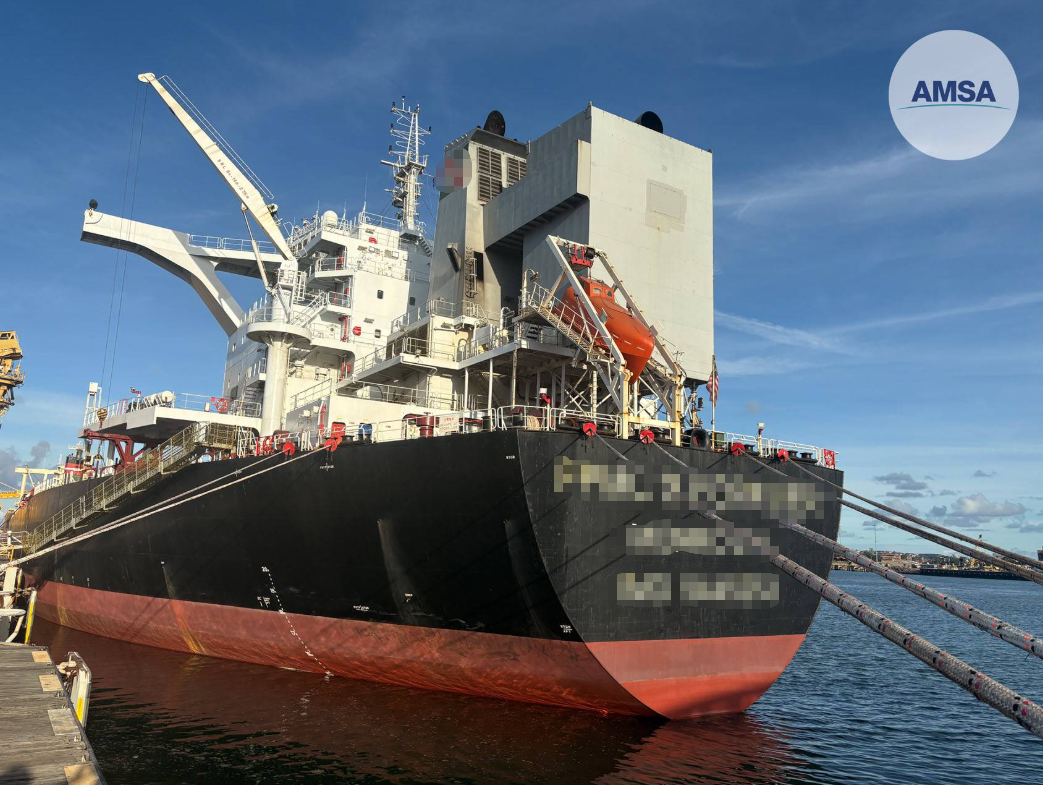
On April 23, a Liberia-flagged bulk carrier was inspected during a Port State Control (PSC) inspection at Port of Newcastle. Authorities found multiple violations, including underpayment of crew wages and charging seafarers for drinking water. AMSA subsequently detained the vessel and issued a ban prohibiting the operator from entering Australian waters until October 2026.
4月23日,利比里亚旗散货船在纽卡斯尔港接受港口国监督(PSC)检查时,被
This marks the third AMSA port-entry ban in less than two months linked to violations of the International Labour Organization’s Maritime Labour Convention (MLC).
这已经是AMSA在不到两个月内第三次因《海事劳工公约》(MLC)违规而实施禁港措施。
Why Is Australia Becoming Increasingly Aggressive on Crew Wage Issues?
澳洲为何对“船员工资”问题越来越强硬?
In this case, the wage shortfall reportedly totaled around AUD 15,000 — not particularly large by shipping industry standards. However, AMSA’s position is that the issue is not the amount involved, but whether the operator crossed the baseline protections established under the MLC.
从金额上看,此次事件涉及欠薪约1.5万澳元,并不算特别巨大。但在AMSA看来,问题核心并不在金额,而在于是否触碰了《海事劳工公约》(MLC)的底线。根据AMSA公开表态,无论欠薪金额多少,只要存在故意少付工资、克扣生活保障、违规收费等行为,都可能触发港口禁令。
According to AMSA, any deliberate underpayment of wages, deduction of basic welfare provisions, or charging seafarers for essential necessities may trigger detention or even port-entry bans, regardless of the monetary value involved.
Under the MLC and Australia’s Marine Order 11, shipowners must provide essential welfare services free of charge, including:
- Drinking water
- Food
- Accommodation
- Medical support
Australia has continuously strengthened its implementation of Marine Order 11 in recent years, reinforcing local enforcement standards beyond minimum international compliance requirements.
按照MLC以及澳大利亚《Marine Order 11》规定,船东必须免费向船员提供基本生活保障,包括饮用水、食品、住宿和医疗支持。澳大利亚近年来持续更新《Marine Order 11》,进一步强化MLC在本国的执行标准。
In Australia’s regulatory framework:
- Wage arrears are not merely labor disputes;
- Charging for drinking water is not simply poor onboard management;
- Both are treated as forms of “seafarer exploitation.”
也就是说,在澳大利亚监管逻辑中:
工资拖欠,不只是劳资问题;
饮用水收费,也不只是管理问题;
As a result, AMSA’s official statements have increasingly adopted stronger language, openly referring to such practices as “exploitation.”
而是直接被定义为“船员权益剥削”。因此,AMSA近年来公开声明中的措辞也越来越强硬,甚至直接使用“exploitation(剥削)”这一表述。
AMSA Is Entering a High-Pressure Enforcement Cycle
AMSA正在形成“高压执法周期”
Australia’s tougher stance did not emerge overnight.
- In 2020, a bulk carrier was banned after failing to pay approximately AUD 118,000 in crew wages. The operator was also accused of attempting to falsify payroll records.
- In 2022, another vessel was banned after wage violations and employment contracts were found to fall below collective bargaining agreement standards.
- In 2023, a cargo ship received a one-year ban after allegations that crew members had been pressured into signing reduced-pay contracts and forged signatures were discovered.
Enforcement intensified further in 2026:
- Between March and May, three vessels were banned over unpaid wages, insufficient food supplies, and inadequate drinking water provisions.
2020年,一散货船因拖欠船员约11.8万澳元工资,被AMSA禁入澳大利亚港口。调查期间,运营方甚至被指试图伪造工资记录。
2022年,一散货船因拖欠工资、劳动合同低于集体协议标准,被禁止进入澳大利亚港口。
2023年,一货轮因涉嫌强迫船员签署降薪合同、伪造签名,被实施长达一年的禁令。
进入2026年后,执法进一步升级:
3-5月,三艘船分别因长期未支付工资、食物和饮水不足等原因被禁港;
Why Is Australia Tougher Than Many Other Countries?
为什么澳大利亚比很多国家更强硬?
Australia is one of the world’s largest exporters of iron ore, coal, and agricultural commodities, yet it maintains only a relatively small international deep-sea fleet of its own. As a result, the country relies heavily on foreign-flagged vessels to move exports.
This has pushed Australian regulators toward using Port State Control as a strategic oversight tool over international shipping operations.
澳大利亚是全球主要资源出口国之一,但本国国际远洋船队规模较小,长期依赖国际方便旗船队运输矿石、煤炭和粮食。因此,澳大利亚政府越来越倾向通过“港口国监督(PSC)”来强化对国际船队的控制。某种程度上,港口准入权已经成为澳大利亚最核心的监管工具之一。
To some extent, access to Australian ports has become a regulatory lever similar to how Europe increasingly uses environmental regulations to influence global shipping behavior:
Whoever wants access to the market must comply with the rules.
这与欧洲近年来利用环保法规影响全球航运的逻辑相似:谁想进入市场,谁就必须接受规则。
What Does This Mean for the Global Dry Bulk Market?
对国际散货市场意味着什么?
Traditionally, shipping costs were viewed primarily through:
- Fuel
- Crewing
- Insurance
- Port charges
- Financing
过去行业认为成本主要来自:
燃油;
船员;
保险;
港口费;
融资。
But today, “compliance capability” itself is becoming a major operational cost.
A vessel banned from Australian ports may face consequences extending far beyond a single voyage, including:
但现在,“合规能力”本身,也开始成为运营成本的一部分。一旦被澳大利亚拒绝进入港口,影响的不只是一次航次,可能还包括:
- Schedule disruption
- Reduced charterer confidence
- Increased insurance scrutiny
- Higher PSC inspection frequency at subsequent ports
船期延误;
租家信任下降;
保险审查加强;
后续PSC检查频率增加。
At the same time, PSC inspection priorities are evolving.
Historically, inspectors focused mainly on:
- Hull condition
- Engine room safety
- Firefighting systems
其次,全球PSC检查重点也正在变化。过去重点是船体、机舱、消防设备。
Now, authorities are increasingly examining:
- Payroll records
- Seafarer employment agreements
- Ballast water logs
- Food inventories
- Garbage disposal records
This reflects a broader shift in international maritime regulation — from purely “technical compliance” toward “full-chain operational compliance.”
现在,“工资单”“劳动合同”“压载水记录”“食品库存”“垃圾处理”同样成为高频检查项。这意味着国际航运监管正在从“技术合规”,逐渐转向“全链条运营合规”。
Other Australian Port Restrictions Operators Should Watch Closely
澳大利亚还有哪些港口禁令值得注意?
Australia is widely regarded as one of the strictest port-regulation jurisdictions globally, with enforcement standards often broader than those seen at many Asian ports.
澳大利亚属于全球港口监管最严格的国家之一,其监管覆盖范围远比许多亚洲港口更广。
Documentation Errors Can Also Trigger Penalties
资料错误也可能被罚
The Australian Border Force (ABF) and the Department of Agriculture, Fisheries and Forestry (DAFF) closely examine:
澳大利亚边防部队(ABF)和DAFF会重点核查:
- Crew lists
- Crew visas
- Medical declarations
- Dangerous goods documentation
- Food and medicine inventories
- Voyage reporting accuracy
船员名单;
船员签证;
医疗申报;
危险品资料;
食品与药品库存;
航次申报。
In recent years, penalties for false declarations or delayed reporting have increased significantly.
Some vessels have reportedly been fined for undeclared galley food or prohibited meat products carried onboard.
For Chinese shipowners and operators, Australian trades are increasingly becoming not just “shipping routes,” but “high-compliance trade lanes.”
尤其近年来,澳大利亚对“虚假申报”和“迟报”处罚力度明显增加。部分船舶甚至因厨房食品未申报、违规携带肉类制品而遭罚。对于中国船东而言,这意味着澳洲航线已不仅仅是“海上运输”,更像是一条“高合规航线”。
Australia maintains some of the world’s toughest biosecurity standards due to the vulnerability of its agricultural and ecological systems.
澳大利亚是全球生物安全管理最严格的国家之一。由于其农业和生态体系高度脆弱,澳大利亚对外来生物、昆虫、植物种子、木质包装、污水及食品残留极度敏感。
澳大利亚农业、渔业和林业部(DAFF)长期对国际船舶实施严格生物安全检查,包括:
DAFF conducts extensive inspections targeting:
- Hull biofouling
- Ballast water management
- Cargo hold residues
- Deck dust contamination
- Wooden packaging materials
- Crew-carried food products
澳大利亚是全球生物安全管理最严格的国家之一。由于其农业和生态体系高度脆弱,澳大利亚对外来生物、昆虫、植物种子、木质包装、污水及食品残留极度敏感。
澳大利亚农业、渔业和林业部(DAFF)长期对国际船舶实施严格生物安全检查,包括:
Hull biofouling has become a major enforcement focus in recent years.
If inspectors identify barnacles, algae, or other marine organisms attached to the hull, vessels may be ordered to:
- Conduct mandatory cleaning
- Alter berthing arrangements
- Leave port for external treatment
- Or, in extreme cases, be denied entry entirely
船壳附着生物;
压载水处理;
货舱残留;
甲板积尘;
木包装材料;
船员携带食品。
This risk is particularly relevant for dry bulk carriers operating long-term tropical trade routes.
其中,“船壳生物污损(biofouling)”是近年来重点整治对象。如果船体附着藤壶、藻类或其他海洋生物,船舶可能被要求:强制清洗、改变靠泊计划或离港处理;甚至有可能直接拒绝入境。
对于长期运营热带航线的散货船而言,这一风险尤其值得关注。
Australia also strictly enforces the International Maritime Organization Ballast Water Management Convention.
AMSA inspections frequently focus on:
- Ballast water record books
- Treatment system functionality
- Discharge records
- Crew operational training
澳大利亚同时严格执行IMO《压载水管理公约》。AMSA会重点检查:
压载水记录簿;
处理系统运行情况;
排放记录;
船员操作培训。
Violations such as illegal discharge, incomplete documentation, or malfunctioning systems may result in vessel detention.
Given the long-haul nature of Australian ore trades and frequent ballast operations, Capesize and Panamax bulk carriers face particularly high inspection exposure in this area.
一旦发现违规排放、记录缺失或设备失效,船舶可能被滞留。由于澳大利亚矿石航线航程较长、压载操作频繁,Cape和Panamax散货船在这一领域面临较高检查概率。
From “Ship Safety” to “Human Safety”
从“船舶安全”到“人的安全”
Over the past decade, the dominant themes in global maritime regulation have been:
- Safety
- Environmental protection
- Emissions reduction
过去十年,国际航运监管的关键词一直是:
安全;
环保;
减排。
Today, however, “seafarer welfare” is increasingly emerging as a fourth major pillar.
In the coming years, competition in international shipping may no longer revolve solely around who can operate at the lowest cost, but increasingly around:
Who can balance compliance, efficiency, and crew welfare most effectively.
但如今,“船员权益”可能正在成为第四个核心维度。
未来几年,国际航运竞争或许不再只是比拼:“谁的成本更低”,而会越来越变成:“谁能在合规、效率与船员保障之间取得平衡。”
Reference Articles
- AMSA — Marine Order 11: Living and Working Conditions on Vessels
- AMSA Media Release — AMSA Cracks Down on Seafarer Exploitation
- Daily Cargo News — Underpaid Crew Sees Another Ship Banned
- AMSA — Ballast Water Management Requirements
- DAFF Biosecurity Notices
- ABF Cargo Reporting Requirements
- MarineLink — Australia Bans Bulk Carrier Over MLC Breaches
参考文章
AMSA — Marine Order 11: Living and working conditions on vessels
AMSA Media Release — AMSA cracks down on seafarer exploitation
The DCN — Underpaid crew sees another ship banned
AMSA — Ballast Water Management Requirements
Australian Department of Agriculture, Fisheries and Forestry(DAFF)生物安全通告
Australian Border Force(ABF)Cargo Reporting Requirements
MarineLink — Australia bans bulk carrier over MLC breaches
Disclaimer: The data and analysis contained in this article are based on publicly available information and industry research and are intended solely for industry discussion and reference purposes. The shipping market is influenced by multiple uncertainties, including macroeconomic conditions, geopolitics, weather, and regulatory developments. Readers should make operational and commercial decisions based on their own fleet structure, risk tolerance, and the latest market developments.
*免责声明:本文所载数据及分析均基于公开信息和行业研究报告,仅供行业交流与参考,不构成任何投资建议或操作承诺。航运市场受宏观经济、地缘政治、天气变化等多重因素影响,存在不确定性。读者在制定具体经营决策时,应结合自身船队结构、风险承受能力及最新市场动态综合判断。
 RELATED NEWS
 Hotline
 Email
Email

 沪公网安备 31011502016705号
Disclaimer:
This communication has been prepared for general information only. To the maximum extent permitted by law, E-PORTS and its affiliated companies, its and their employees, directors, agents, contractors (of any tier) and partners shall not be liable for any loss, claim, charge, damage, liability or damages howsoever arising in connection with the information even if advised of the possibility of damages. The use of the information shall be at your sole risk. Information contained herein comes with no representation or warranty (express or implied) and specifically is not represented or warranted to be correct, complete, accurate or up to date. The information is provided on an “as is” and “as available” basis and is not intended to be relied upon in any way. You shall be solely responsible for the selection, use, efficiency and suitability of the information.








 Chat with us