
M7.7 Earthquake Off Japan: Regional Shipping Routes Disrupted日本近海发生7.7级地震!区域航线受扰动
At 16:53 local time on April 20, a powerful earthquake struck off the northeastern coast of Japan (Sanriku offshore). According to revised data from the Japan Meteorological Agency, the quake reached a magnitude of 7.7 with a focal depth of approximately 20 km, and a maximum seismic intensity of “Shindo 5 Upper.” Strong tremors were also felt in Tokyo.
当地时间4月20日16时53分,日本东北外海(三陆近海)发生强震。根据日本气象厅后续修正,地震规模达7.7级,震源深度约20公里,最大震感达“震度5强”,东京亦有明显震感。
Following the earthquake, a tsunami warning was issued, with expected wave heights of up to 3 meters. However, actual observations showed waves of around 80 cm in areas such as Kuji Port in Iwate Prefecture. The warning was subsequently downgraded to an advisory.
当地时间4月20日16时53分,日本东北外海(三陆近海)发生强震。根据日本气象厅后续修正,地震规模达7.7级,震源深度约20公里,最大震感达“震度5强”,东京亦有明显震感。
The event did not result in major casualties or significant infrastructure damage, but it caused short-term disruptions to coastal ports and regional shipping operations in Japan.
此次事件未造成重大人员伤亡或基础设施破坏,但日本沿海港口及区域航运运行造成了短期扰动。
Short-Term Operational Disruptions
运行短时受扰
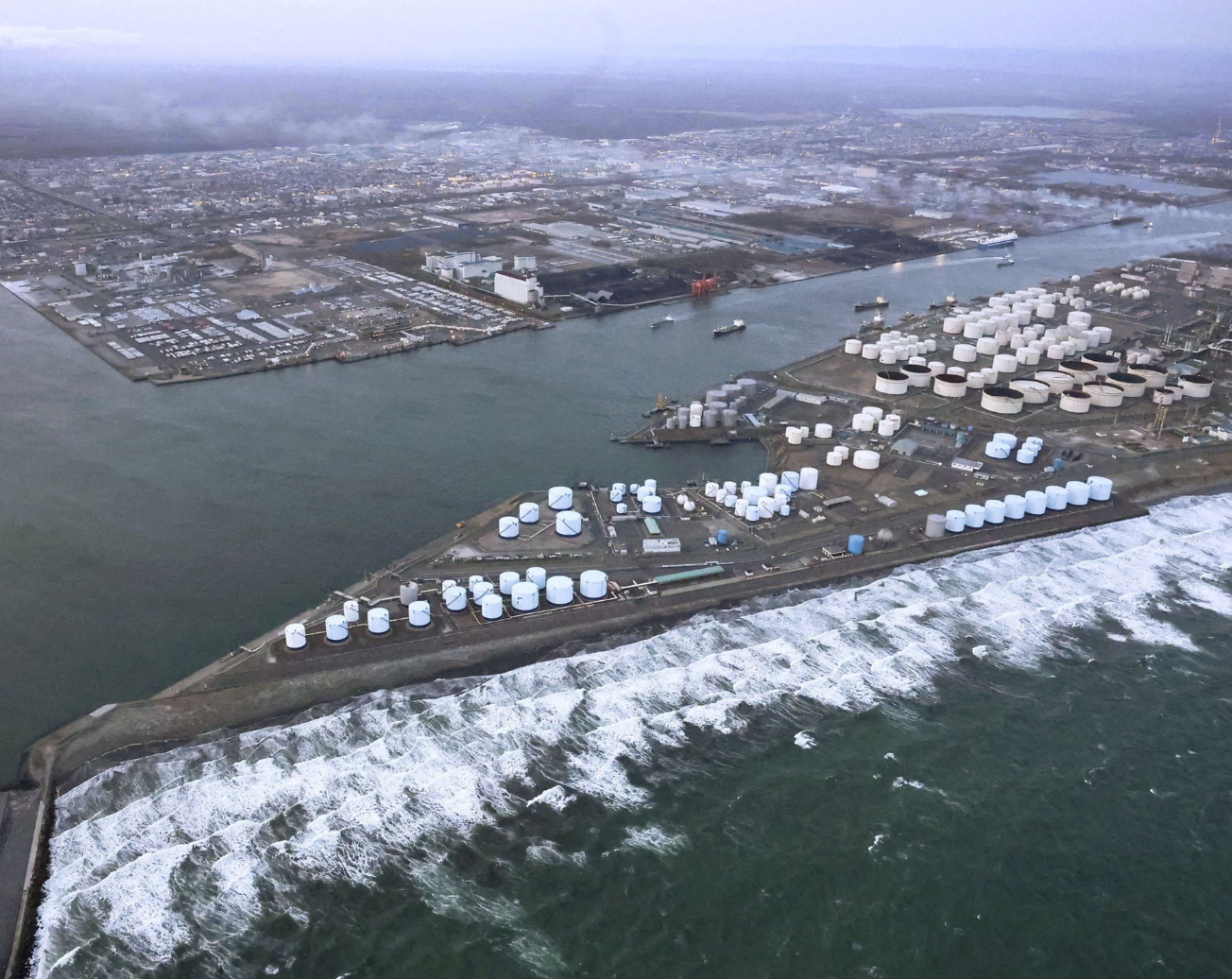
Based on publicly available information, the direct physical impact on ports was limited. Instead, precautionary shutdowns and vessel evasive actions were the primary effects:
从公开信息看,本次地震对港口的直接物理破坏有限,但预防性停运和船舶避险成为主要影响形式:
Emergency response at northeastern ports
Due to the tsunami warning, ports in Iwate, Aomori, and Hokkaido—including Kuji, Miyako, and Hachinohe—entered emergency status. While observed tsunami waves (10–80 cm) were not destructive, they were sufficient to trigger standard disaster response protocols.
东北沿海港口进入应急状态
受海啸警报影响,岩手、青森、北海道等地港口(如久慈、宫古、八户等)均进入紧急响应状态。部分港口观测到海啸波动(约10–80厘米),虽未达到破坏性水平,但已触发标准防灾流程。
Emergency departure of vessels
Media footage showed ships leaving berths at ports such as Hachinohe shortly after the tsunami alert, heading toward deeper waters.
船舶紧急离港避险
根据日本媒体画面,在八户等港口,船舶在海啸预警发布后迅速驶离码头,转移至深水区避险。
This aligns with international maritime practice: deep water is generally safer than port areas during a tsunami.
这一做法符合国际航运通行规则——当海啸来临时,深海比港内更安全。
Port operations temporarily suspended
Although detailed port-by-port official notices are limited, based on similar past events (e.g., Hokkaido earthquake and tsunami alerts in 2025), ports typically:
港口作业
虽然暂无官方逐港口详细公告,参考以往类似事件(2025年北海道地震及海啸预警),港口通常可能会采取以下措施:
- Suspend cargo handling operations
- Close terminals and storage yards
- Delay berthing schedules
- Resume operations gradually after alerts are lifted
暂停装卸作业
封闭码头与堆场
推迟靠泊计划
等待海啸预警解除后逐步恢复
Potential Impact on Major Port Systems
主要港口体系的潜在影响
The impact of this earthquake was mainly concentrated along Japan’s Pacific coastline:
本次地震影响主要集中在日本太平洋一侧港口群:
- Directly affected ports: Hachinohe, Kuji, Miyako, Kamaishi
- Extended impact zone: Sendai-Shiogama Port
- Indirectly affected ports: Tokyo, Yokohama, Nagoya (via scheduling and routing effects)
东北港口群(直接影响区):八户、久慈、宫古、釜石
延伸影响区:仙台盐釜港
间接受扰港口:东京、横滨、名古屋(受航线与调度影响)
In the short term, impacts include:
短期来看影响主要体现在:
- Delayed berthing windows
- Increased schedule uncertainty
- Reduced port operational efficiency
靠泊窗口延误
船期不确定性增加
港口调度效率下降
However, due to the absence of major structural damage, recovery is expected to be relatively quick—typically within hours to 1–2 days.
但由于未出现重大结构损伤,预计恢复周期较短(通常为数小时至1–2天)。
Global Shipping Routes: Regional Disturbance
全球航线:区域扰动
Asia-Pacific routes (mainly affected):
Trans-Pacific routes (East Asia – U.S. West Coast)
Japan – Southeast Asia regional routes
Korea–Japan–China feeder services
亚太航线(主要影响区)
东亚—北美西岸航线(Trans-Pacific)
日本—东南亚近海航线
日韩—中国沿海支线
Impacts include:
- Vessel rerouting or waiting
- Voyage delays (typically 24–72 hours)
影响表现为:
船舶绕行或等待
部分航次延误(通常24–72小时)
China–Japan feeder routes:
Chinese ports remain unaffected, though there may be limited and short-term indirect impacts on schedules.
中日支线
中国港口运行不受影响,航线可能存在有限且短期的间接影响。
Shipping company response strategies (industry practice):
- Dynamic adjustment of port rotation
- Temporary diversion to alternative ports in South Korea or China (e.g., Busan, Shanghai)
- Delayed berthing while awaiting port reopening
航运公司应对策略(行业通行做法)
动态调整靠港顺序(Port Rotation)
临时改靠韩国或中国港口(如釜山、上海)
延迟靠泊等待港口恢复
Elevated Risk of a Larger Earthquake Within One Week
一周内“更大地震”概率上升
Notably, the Japan Meteorological Agency has issued a “major earthquake risk advisory”:
值得注意的是,日本气象厅已发布“巨大地震风险提示”:
- The probability of an earthquake of magnitude 8 or above occurring within the next week has risen to 1% (compared to the usual ~0.1%)
未来一周内发生8级以上地震的概率上升至1%(平时约0.1%)。
This implies:
- Ports and shipping companies must remain on high alert
- Route scheduling uncertainty will persist
- Insurance and risk assessment costs may increase in the short term
这意味着:
港口与航运企业需维持“高警戒状态”
航线调度不确定性将持续存在
保险与风险评估成本可能短期上升
Emergency Preparedness for Ports and Vessels
港口与船舶的应急准备
Ports:
- Establish integrated earthquake–tsunami warning systems
- Pre-plan vessel evacuation procedures
- Strengthen breakwaters and seismic-resistant structures
- Implement rapid personnel evacuation mechanisms
港口
建立地震-海啸联动预警系统
提前制定船舶疏港方案
强化防波堤与抗震结构
港区人员快速撤离机制
Vessels:
- Depart port immediately upon tsunami warning
- Avoid shallow waters and narrow channels
- Keep engines on standby
- Maintain active communication and AIS updates
船舶
收到海啸预警后优先驶离港口
避开浅水区与狭窄航道
保持主机待命状态
加强通信与AIS信息更新
Shipping companies:
- Develop contingency plans for route adjustments
- Pre-identify alternative ports
- Maintain real-time coordination with port authorities
企业
建立应急航线调整预案
提前规划替代港口
与港口保持实时信息同步
Conclusion
结语
Overall, while this M7.7 earthquake triggered widespread tsunami warnings, Japan’s robust disaster prevention system prevented systemic disruption to port operations.
总体来看,本次日本7.7级地震虽触发大范围海啸警报,但由于震级虽高、破坏有限,日本的防灾体系避免了港口系统性瘫痪。
For global shipping, the impact is primarily reflected in short-term scheduling disturbances rather than structural disruption. However, given the risks of aftershocks and a potential larger earthquake, the coming week remains a critical observation window.
对全球航运而言,其影响更多体现在短期调度扰动,而非结构性冲击。但在“余震+潜在更大地震风险”背景下,未来一周仍是关键观察窗口。
References
- Reuters: Japan eases back tsunami warning after magnitude 7.7 quake
- The Guardian: Japan tsunami alerts downgraded following powerful earthquake
- AP News: Earthquake sets off brief tsunami alert in northern Japan
- Euronews: Japan issues tsunami warning after earthquake
- Japan Meteorological Agency / Yahoo Earthquake Data
- NNR Global: Japan port operations affected by tsunami warnings
- CruiseCritic: What happens when a tsunami occurs at sea
- NHK / Al Jazeera field reports
- Other media (Straits Times, The Independent, etc.)
参考资料
Reuters:《Japan eases back tsunami warning after magnitude 7.7 quake》
The Guardian:《Japan tsunami alerts downgraded following powerful earthquake》
AP News:《Earthquake sets off brief tsunami alert in northern Japan》
Euronews:《Japan issues tsunami warning after earthquake》
Japan Meteorological Agency / Yahoo Earthquake Data
NNR Global:《Japan port operations affected by tsunami warnings》
CruiseCritic:《What happens when a tsunami occurs at sea》
NHK / Al Jazeera 现场报道汇总
综合媒体(Straits Times、Independent 等)即时报道
Disclaimer: The data and analysis presented in this article are based on publicly available information and industry reports, and are for informational purposes only. They do not constitute investment advice or operational commitments. The shipping market is subject to uncertainties arising from macroeconomic conditions, geopolitical developments, and weather factors. Readers should make decisions based on their own fleet structure, risk tolerance, and the latest available information.
*免责声明:本文所载数据及分析均基于公开信息和行业研究报告,仅供行业交流与参考,不构成任何投资建议或操作承诺。航运市场受宏观经济、地缘政治、天气变化等多重因素影响,存在不确定性。读者在制定具体经营决策时,应结合自身船队结构、风险承受能力及最新市场动态综合判断。
 RELATED NEWS
 Hotline
 Email
Email

 沪公网安备 31011502016705号
Disclaimer:
This communication has been prepared for general information only. To the maximum extent permitted by law, E-PORTS and its affiliated companies, its and their employees, directors, agents, contractors (of any tier) and partners shall not be liable for any loss, claim, charge, damage, liability or damages howsoever arising in connection with the information even if advised of the possibility of damages. The use of the information shall be at your sole risk. Information contained herein comes with no representation or warranty (express or implied) and specifically is not represented or warranted to be correct, complete, accurate or up to date. The information is provided on an “as is” and “as available” basis and is not intended to be relied upon in any way. You shall be solely responsible for the selection, use, efficiency and suitability of the information.





 Chat with us