
70% Tariff-Free Access Takes Effect: India Opens the New Zealand Market, South Pacific Routes Gain Momentum70%免关税落地:印度打开新西兰市场,南太航线升温
Recently, India and New Zealand officially signed a Free Trade Agreement (FTA), marking a significant step in India’s strategy to diversify its trade network. According to India’s Minister of Commerce and Industry, New Zealand will grant tariff-free access to approximately 70% of Indian goods by value, covering textiles, engineering products, pharmaceuticals, and selected agricultural products.
近期,印度与新西兰正式签署了自由贸易协定(FTA),这是印度推进贸易多元化战略的重要一步。据印度商务与工业部长透露,新西兰将对约70%价值的印度商品给予免关税准入,涵盖纺织品、工程产品、药品及部分农产品。
Amid rising risks in the Strait of Hormuz and increasing uncertainty in U.S. trade policy, opening the New Zealand market serves not only as a new outlet for Indian exports but also creates regional opportunities for the shipping market. Cargo flows on the India–New Zealand route are expected to gradually increase, boosting activity across South Pacific routes. At the same time, potential bulk demand—such as agricultural products, feed, and fertilizers—may generate additional voyages and backhaul opportunities for Chinese shipowners operating small and medium-sized vessels. However, the overall impact is likely to be structural improvement rather than demand expansion.
在霍尔木兹海峡风险与美国贸易不确定性上升的背景下,新西兰市场的打开不仅是印度出口的分流方向,也为航运市场提供了新的区域性机会:印度—新西兰航线货流有望逐步增加,带动南太平洋航线活跃度提升;同时,农产品、饲料及化肥等潜在散货需求,可能为中国船东带来更多中小船型的航次与回程货选择,但整体影响偏结构性改善,而非需求爆发。
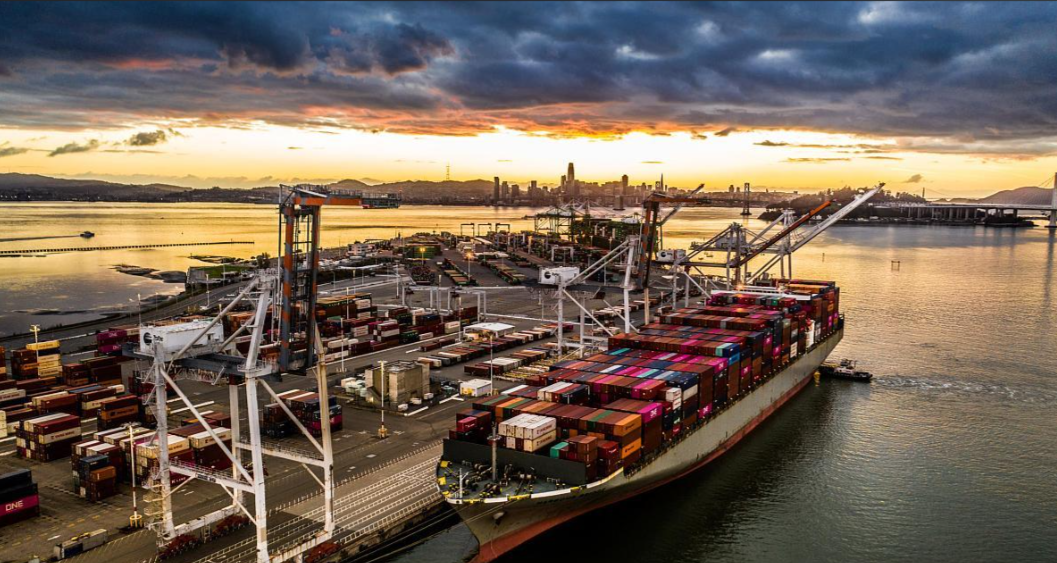
Direct Impact of Trade Liberalization: Structural Shifts in Cargo Flows
贸易开放的直接影响:货物流向的结构性变化
From a product perspective, the main incremental gains from the FTA are concentrated in three categories:
从商品结构来看,此次FTA释放的核心增量主要集中在三类货物:
- Manufactured and semi-finished goods: textiles, engineering equipment, light industrial products
- Pharmaceuticals: primarily generics
- Agricultural products (limited liberalization): selected primary and processed food products
制成品与半制成品:纺织品、工程设备、轻工产品
医药产品:以仿制药为主
农产品(有限开放):部分初级产品与加工食品
According to India’s Ministry of Commerce and industry data, India’s textile exports reached approximately $35.8 billion in FY2026 (down 2.2% year-on-year), while engineering exports totaled $122.4 billion (up 4.86%). With tariff reductions under the FTA, these two categories will gain price competitiveness in New Zealand, likely driving steady growth in containerized and breakbulk cargo volumes.
根据印度商务部和行业数据,2026财年印度纺织出口约358亿美元(同比下降2.2%),工程产品出口达1224亿美元(增长4.86%)。随着FTA降低关税,这两大类产品对新西兰出口将具备价格优势,预计会带来稳定的集装箱与件杂货流量增长。
From a shipping structure perspective, however, it is important to distinguish:
但从航运结构看,需要区分两类情况:
- Container shipping: direct beneficiary (manufactured exports)
- Bulk shipping: more indirect impact, but still with opportunities
集装箱航运:直接受益(制成品出口)
散货航运:受益较为间接,但并非没有机会
Impact on Routes and Ports: South Pacific Shipping Lanes
对航线与港口的影响:南太平洋航线
Increased activity on India–Oceania routes
印度—大洋洲航线活跃度提升
Currently, routes from India to New Zealand primarily follow:
- West coast India (e.g., Mumbai, Mundra) → transshipment via Singapore or Australia → major New Zealand ports (e.g., Auckland, Tauranga)
当前印度至新西兰的航线主要依赖以下路径:
印度西海岸(如孟买港、蒙德拉港)→ 经新加坡港或澳大利亚中转 → 抵达新西兰主要港口(如奥克兰港、陶朗加港)
Following the FTA, two changes may emerge:
- Rising demand for direct services, especially for high-value cargo
- Reduced reliance on regional transshipment hubs, with marginal declines in Singapore and Australian transshipment volumes
FTA落地后,可能会带来两点变化:
直航需求上升,尤其是高附加值货物
区域中转依赖下降,新加坡、澳大利亚的中转比例可能边际回落
From a global routing perspective, this implies a growing importance of Indian Ocean–South Pacific corridors, complementing traditional Asia–Europe and Trans-Pacific trunk routes.
从全球航线角度看,这意味着印度洋—南太平洋航线的重要性提升,对传统的“亚洲—欧美主干航线”形成一定补充。
Changes in New Zealand port throughput structure
新西兰港口吞吐结构变化
New Zealand ports have traditionally been export-oriented, particularly in:
- Dairy products (dominated by the Fonterra system)
- Timber and logs
- Agricultural products
新西兰港口长期以出口导向为主,特别是:
乳制品(恒天然体系)
木材、原木
农产品
The FTA may introduce a key shift: increased weight on imports, especially industrial goods.
FTA可能带来一个关键变化:进口侧权重提升(特别是工业制成品)
This implies a transition from “one-way export flows” to two-way cargo movement, improving container backhaul utilization and increasing demands on port efficiency and berth scheduling.
For Indian ports, particularly those on the west coast, this translates into more stable outbound cargo volumes.
这意味着港口装卸结构从“单向出口”向“双向流动”转变,并且集装箱回程利用率提高,港口运营效率与泊位调度需求上升。对于印度港口而言,则是出口装载能力的稳定释放,尤其是西海岸港口群。
Bulk Shipping: Opportunities Beneath the Surface
散货船东:机会不在表面
Potential growth in agricultural and feed trade
农产品与饲料贸易的潜在增量
New Zealand’s agricultural system relies on imports for certain feed components (e.g., soybean meal, corn). As trade ties deepen, India and nearby regions (such as Southeast Asia) could become supplementary sources.
Small and medium-sized bulk carriers (Handysize / Supramax) are likely to see increased activity on Indian Ocean–South Pacific routes. Improved backhaul cargo availability will enhance overall voyage earnings and operational efficiency.
新西兰农业体系高度依赖进口部分饲料(如豆粕、玉米)。随着贸易关系深化,印度或周边市场(如东南亚)可能成为补充来源。小型散货船(Handysize / Supramax)在印度洋—南太平洋航线上的航次租赁与运力使用将更为活跃,同时回程货源的改善有助于提升整体航次收益与运营效率。
Fertilizers and intermediate goods
化肥与中间品运输
India is a major global producer and exporter of fertilizers. With deepening agricultural cooperation, exports of fertilizers and agro-inputs may increase, forming stable regional bulk flows.
印度是全球重要的化肥生产与出口国之一。随着农业合作加深,化肥、农资出口可能增加,形成稳定的区域散货流。
Backhaul optimization
回程货(Backhaul)优化
Currently, the India → New Zealand route exhibits a degree of imbalance (one-way flow). The FTA may:
- Increase New Zealand imports
- Diversify backhaul cargo (e.g., timber, dairy by-products, minerals)
For shipowners, this improves voyage economics, rather than simply raising spot freight rates.
当前印度→新西兰航线存在一定的“单边流”特征。FTA可能带来:新西兰增加进口,回程货源更加多元(木材、乳制品副产品、矿产)。对船东而言,这意味着航次收益结构优化,而非单次运价提升。
Part of India’s Trade “Decentralization” Strategy
印度贸易“去中心化”的一环
Reconstruction of India’s trade network
印度贸易网络的再构建
Against the backdrop of:
- Middle East instability (Hormuz risks)
- Uncertainty in U.S. and European trade barriers
- Regionalization of global supply chains
在以下背景下:
中东局势波动(霍尔木兹风险)
美欧贸易壁垒不确定
全球供应链区域化
India is building a multi-node trade system:
- Middle East (energy)
- Europe (high-value markets)
- Oceania (stable consumption markets)
New Zealand represents a relatively low-risk node in this network.
印度正在构建一个“多节点贸易体系”:中东(能源)、欧洲(高端市场)、大洋洲(稳定消费市场)。新西兰正是其中一个“低风险节点”。
Fragmentation of shipping demand
航运需求的“碎片化”
Unlike the traditional concentration on major routes (e.g., China–U.S., Asia–Europe), emerging routes such as India–Oceania are gaining share. Shipping demand is becoming more dispersed, increasing the importance of small and medium-sized vessels.
与过去集中在中美、亚欧主航线不同,新兴航线(如印度—大洋洲)的占比正在提升,航运需求更加分散,中小船型的重要性上升。对散货市场而言,这意味着结构性机会增加,但集中行情减少。
Traditional bulk trades (iron ore, coal) rely on long-haul, large-volume shipments suited to Capesize and Panamax vessels. In contrast, emerging trade flows are characterized by:
- Smaller shipment sizes
- Higher frequency
- More dispersed port networks
Cargoes such as agricultural products, feed, fertilizers, and regional resources naturally align with Handysize and Supramax vessels, enhancing their marginal importance in the global fleet structure.
传统大宗贸易(如铁矿石、煤炭)依赖长航距、单一大货量,更适配Cape和Panamax船型;而新兴贸易流更多呈现出批量更小、频次更高、港口更分散的特征,例如农产品、饲料、化肥及区域性资源品。这类货流天然更适配Handysize与Supramax等中小船型,使其在全球运力体系中的边际地位上升。
Indirect Impact on China and Global Markets
In sectors such as engineering goods and manufacturing, Indian products entering New Zealand will compete more directly with exports from China, South Korea, and Europe. This may lead to adjustments in New Zealand’s import sourcing and a redistribution of intra-Asian trade flows.
However, the overall impact is likely to be marginal rather than systemic.
对中国及全球市场的间接影响
在工程产品与制造业领域,印度商品进入新西兰后,将与中国、韩国、欧洲形成更直接的竞争。这可能带来新西兰进口来源结构的变化,以及亚洲区域内贸易的再分配。但整体来看,这属于边际调整,而非系统性冲击。
Not a “Boom Cycle,” but a “Structural Signal”
不是“爆发式行情”,而是“结构性信号”
The India–New Zealand FTA is unlikely to trigger immediate large-scale volatility in the shipping market. Its significance lies in:
- Opening a new and stable trade corridor
- Strengthening India’s trade presence in the South Pacific
- Providing a new baseline of demand for the shipping market
印度—新西兰FTA并不会立即引发航运市场的大幅波动,但其意义在于:
打开一条新的稳定贸易通道
提升印度在南太平洋的贸易存在
为航运市场提供新的需求“底盘”
For bulk shipowners, the real focus should not be short-term freight rates, but rather:
- The trend toward route diversification
- The stability of demand for small and medium-sized vessels
- Improvements in backhaul cargo structures
In a period of rising global trade uncertainty, mid-sized, low-risk trade relationships like this often offer greater sustainability than large-scale commodity-driven demand.
对散货船东而言,真正值得关注的不是短期运价,而是:航线多元化趋势、中小船型需求的稳定性、回程货结构改善。
在全球贸易不确定性上升的周期中,这类“中等体量、低风险”的贸易关系,往往比大宗需求更具持续性。
References
- Government of India, Ministry of Commerce – Trade Statistics & Export Data
- Reserve Bank of India – Annual Economic Data Reports
- New Zealand Ministry of Foreign Affairs and Trade (MFAT) – Trade Agreements Overview
- UN Comtrade Database – Bilateral Trade Flow Data
- World Bank – Global Trade Outlook 2025–2026
- International Monetary Fund (IMF) – Direction of Trade Statistics
- Drewry Shipping Consultants – Container Market Review
- Clarksons Research – Shipping Intelligence Weekly Report
参考资料
Government of India, Ministry of Commerce – Trade Statistics & Export Data
Reserve Bank of India – Annual Economic Data Reports
New Zealand Ministry of Foreign Affairs and Trade (MFAT) – Trade Agreements Overview
UN Comtrade Database – Bilateral Trade Flow Data
World Bank – Global Trade Outlook 2025–2026
International Monetary Fund (IMF) – Direction of Trade Statistics
Drewry Shipping Consultants – Container Market Review
Clarksons Research – Shipping Intelligence Weekly Report
Disclaimer: The data and analysis in this article are based on publicly available information and industry reports, and are for informational purposes only. They do not constitute investment advice or operational commitments. The shipping market is subject to uncertainties arising from macroeconomic conditions, geopolitical developments, and weather conditions. Readers should make decisions based on their own fleet structure, risk tolerance, and the latest market developments.
*免责声明:本文所载数据及分析均基于公开信息和行业研究报告,仅供行业交流与参考,不构成任何投资建议或操作承诺。航运市场受宏观经济、地缘政治、天气变化等多重因素影响,存在不确定性。读者在制定具体经营决策时,应结合自身船队结构、风险承受能力及最新市场动态综合判断。
 RELATED NEWS
 Hotline
 Email
Email

 沪公网安备 31011502016705号
Disclaimer:
This communication has been prepared for general information only. To the maximum extent permitted by law, E-PORTS and its affiliated companies, its and their employees, directors, agents, contractors (of any tier) and partners shall not be liable for any loss, claim, charge, damage, liability or damages howsoever arising in connection with the information even if advised of the possibility of damages. The use of the information shall be at your sole risk. Information contained herein comes with no representation or warranty (express or implied) and specifically is not represented or warranted to be correct, complete, accurate or up to date. The information is provided on an “as is” and “as available” basis and is not intended to be relied upon in any way. You shall be solely responsible for the selection, use, efficiency and suitability of the information.








 Chat with us